

ThedaCare has completed its new Simulation Lab, a training environment designed to support its Graduate Medical Education program and enhance clinical education for physicians, nurses and other care teams.
ThedaCare is one of the first health systems in northeast and central Wisconsin to offer an accredited GME program. The program was created to help address physician shortages across Wisconsin, particularly in rural and underserved areas. The ThedaCare Internal Medicine Residency program received accreditation in September 2025, and will welcome the first residents July 1.
“The completion of our simulation lab represents another significant investment in the future of health care in our communities through our Graduate Medical Education Program,” said Chris Stenberg, MD, vice president of graduate medical education and clinical research for ThedaCare. “By creating a shared, immersive learning environment, we are equipping our residents and teams with the skills, confidence and collaboration needed to deliver exceptional care to every patient, every time.”
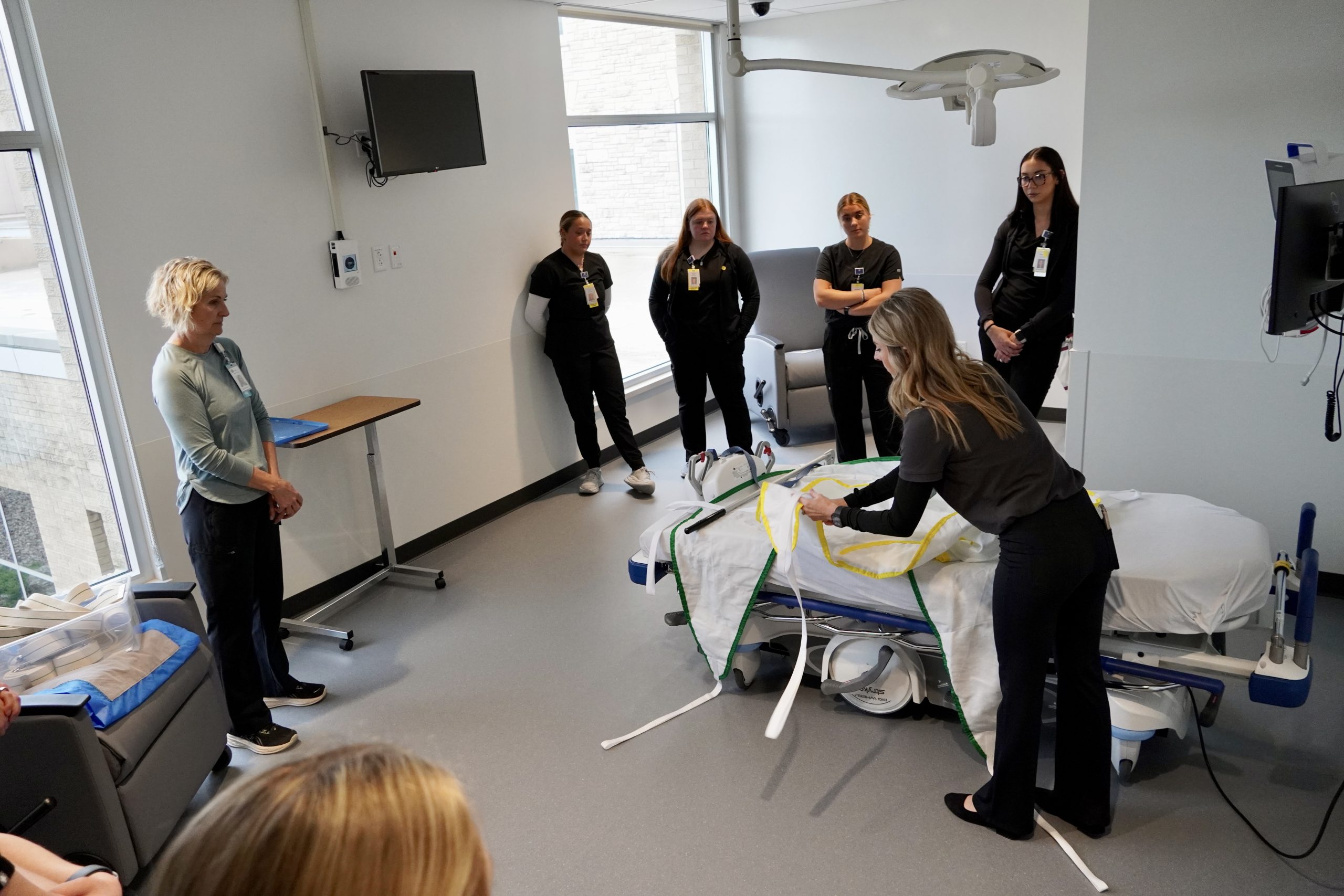
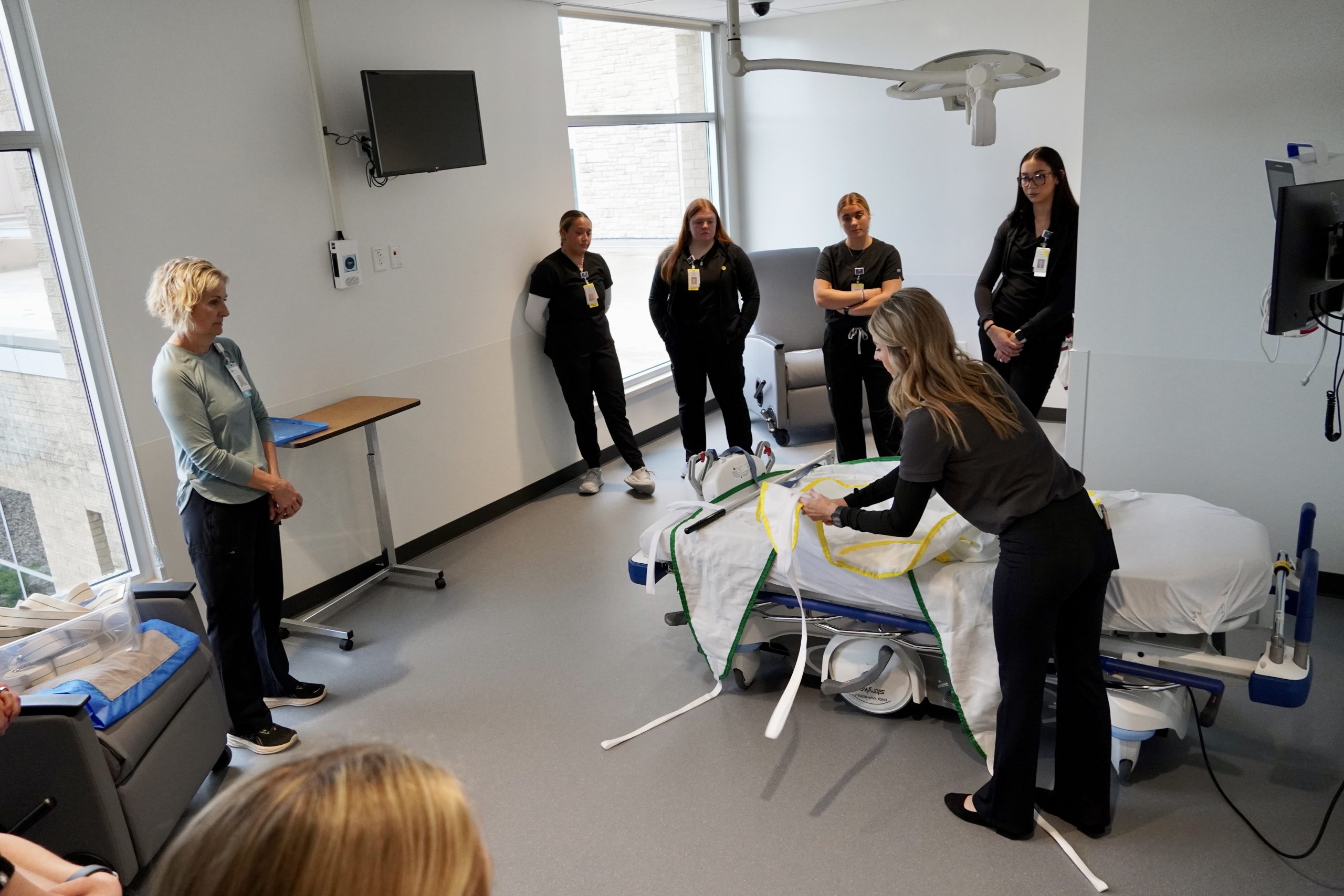
The 2,200-square-foot lab features three fully equipped simulation rooms outfitted with advanced technology, a dedicated debrief room and a centralized control center. Each simulation room is designed to replicate real-world inpatient clinical environments, incorporating the same tools and systems used across ThedaCare facilities. The flexible design also allows the space to be adapted to simulate a wide range of care settings.
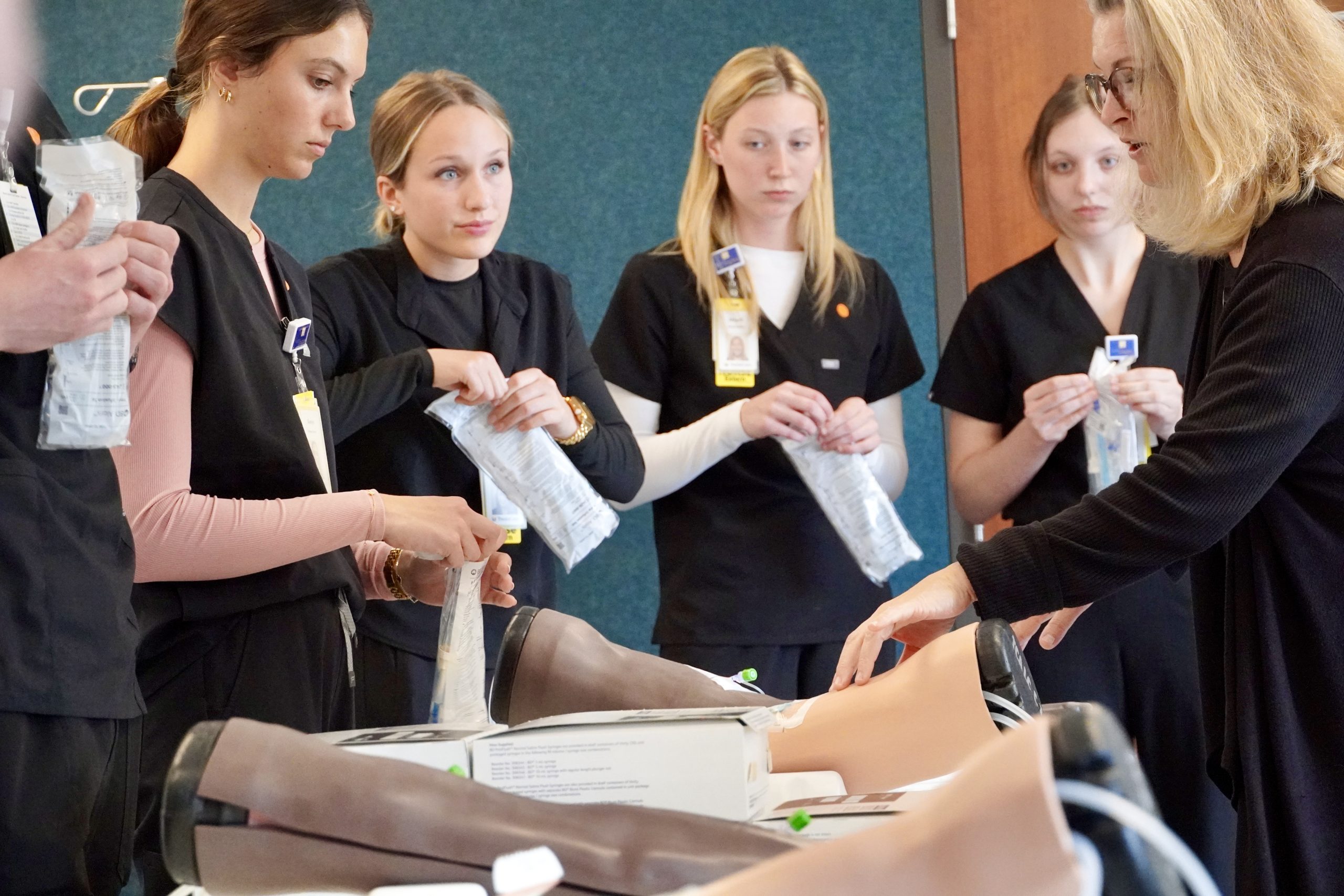
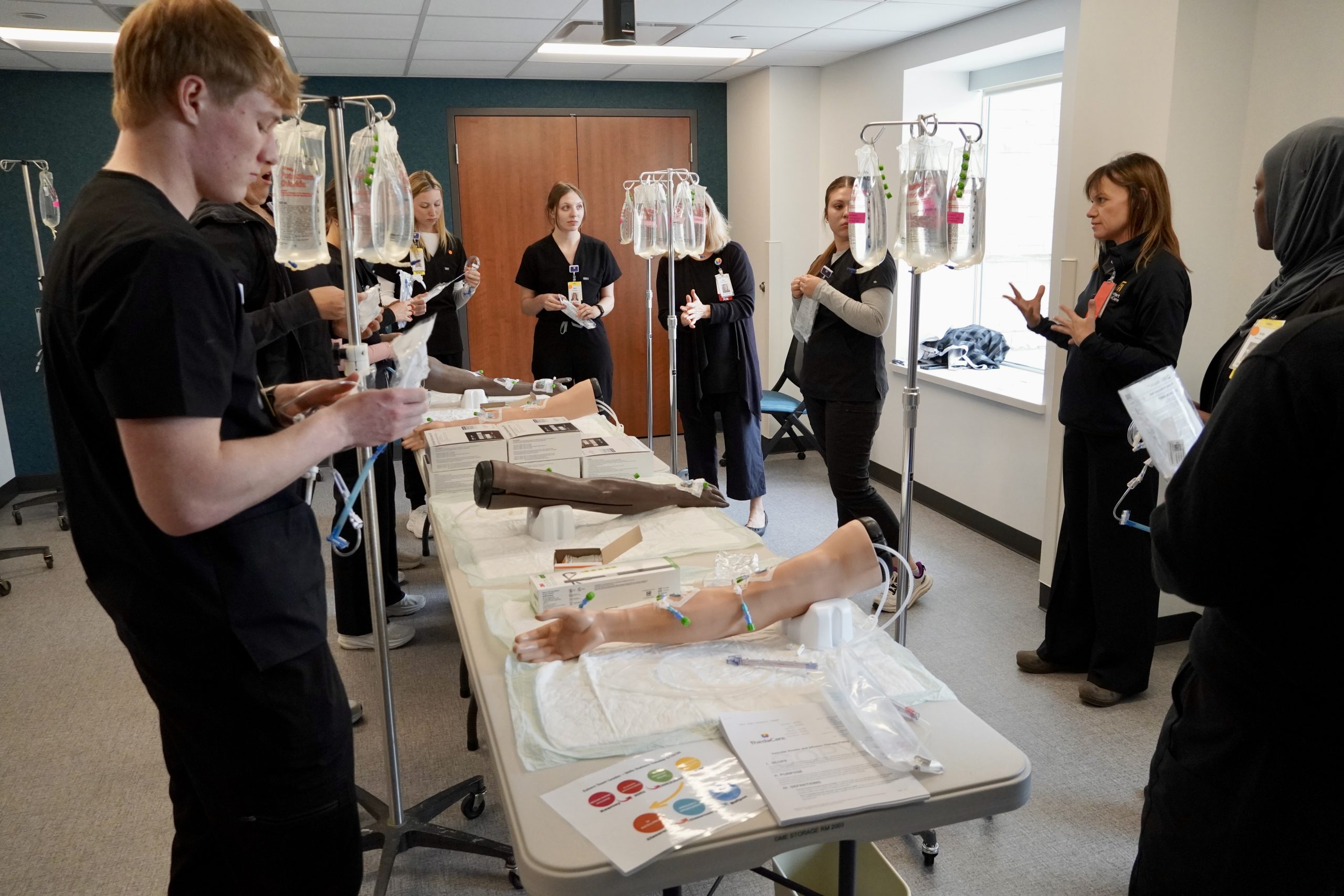
The first use of the lab took place earlier this month when it was used to support the onboarding and training of approximately 70 nurse externs. Over time, the space will serve a broad range of learners, including physicians in training, nurses and interprofessional care teams.
“A dedicated simulation space plays a critical role in preparing health care professionals for the complexities of modern care delivery,” said Stenberg. “Through realistic, hands-on training, residents and team members can practice high-risk, low-frequency clinical scenarios, strengthen clinical judgment and refine coordinated responses to critical situations – all within a safe and controlled environment.”