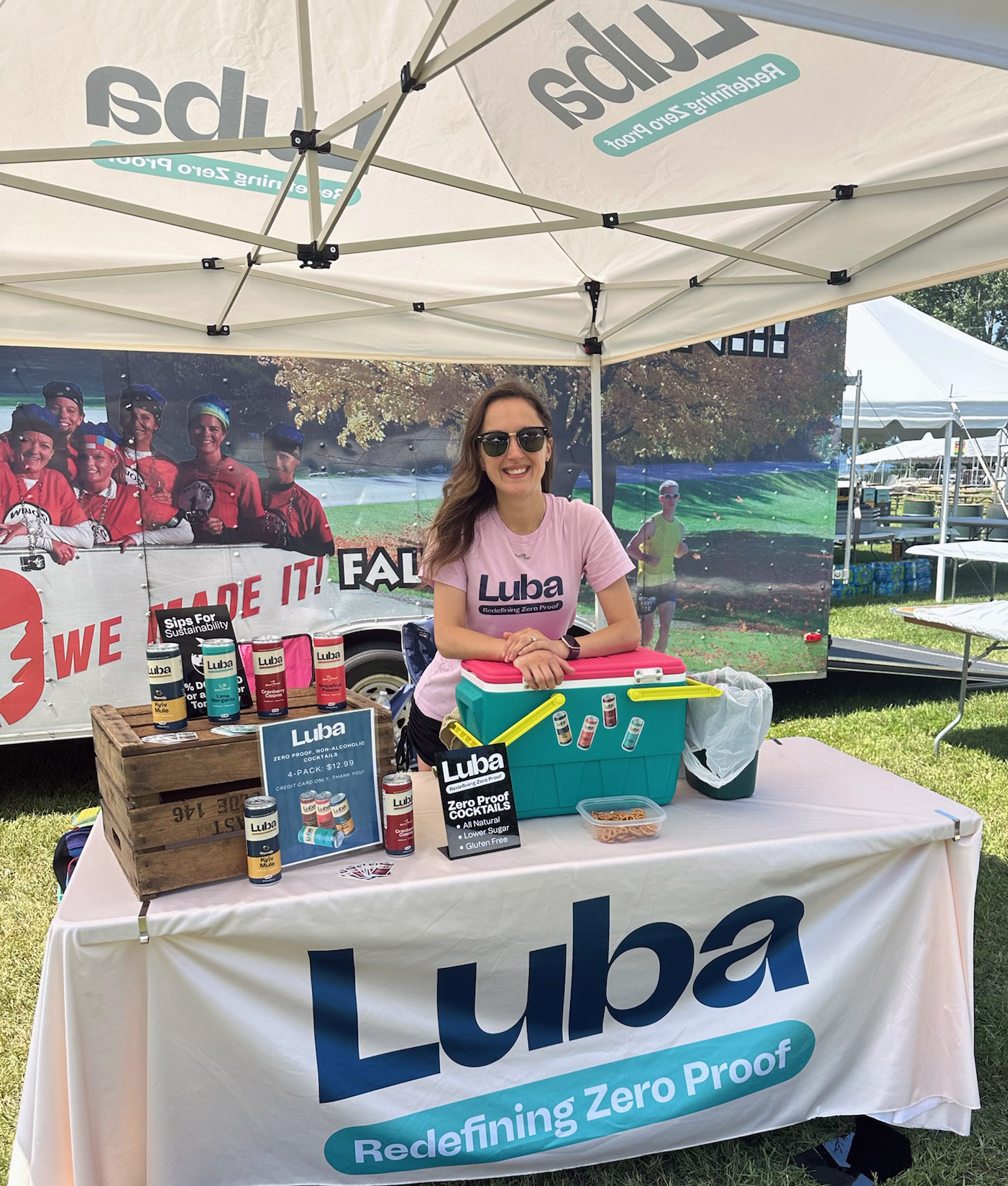

Two years ago, Christiana Trapani was sitting at home in the evening and wanted something to drink.
“I didn’t want water or anything with alcohol in it — just a nice, elevated beverage. I talked about it a few times, about how I couldn’t find anything I liked, and my husband said, ‘let’s make one,’” she says. “And that’s how Luba Libations got started.”
Fast forward to today and Luba Libations produces four flavors of non-alcoholic cocktails. It’s part of a growing trend in non‑alcoholic beverages as more people, especially members of Generation Z, are rethinking how much they drink.
According to a Gallup poll released in September, 53% of Americans believe moderate alcohol consumption is a health risk. That’s a big increase from 2015, when it was 28%. More Americans also report drinking less. The Gallup poll found that 54% of U.S. adults drink alcoholic beverages — which is the lowest percentage in three decades. About two-thirds of young Americans — those between the ages of 18 and 34 — believe moderate drinking is unhealthy. That’s up from 45% in 2024 and 39% in 2023.
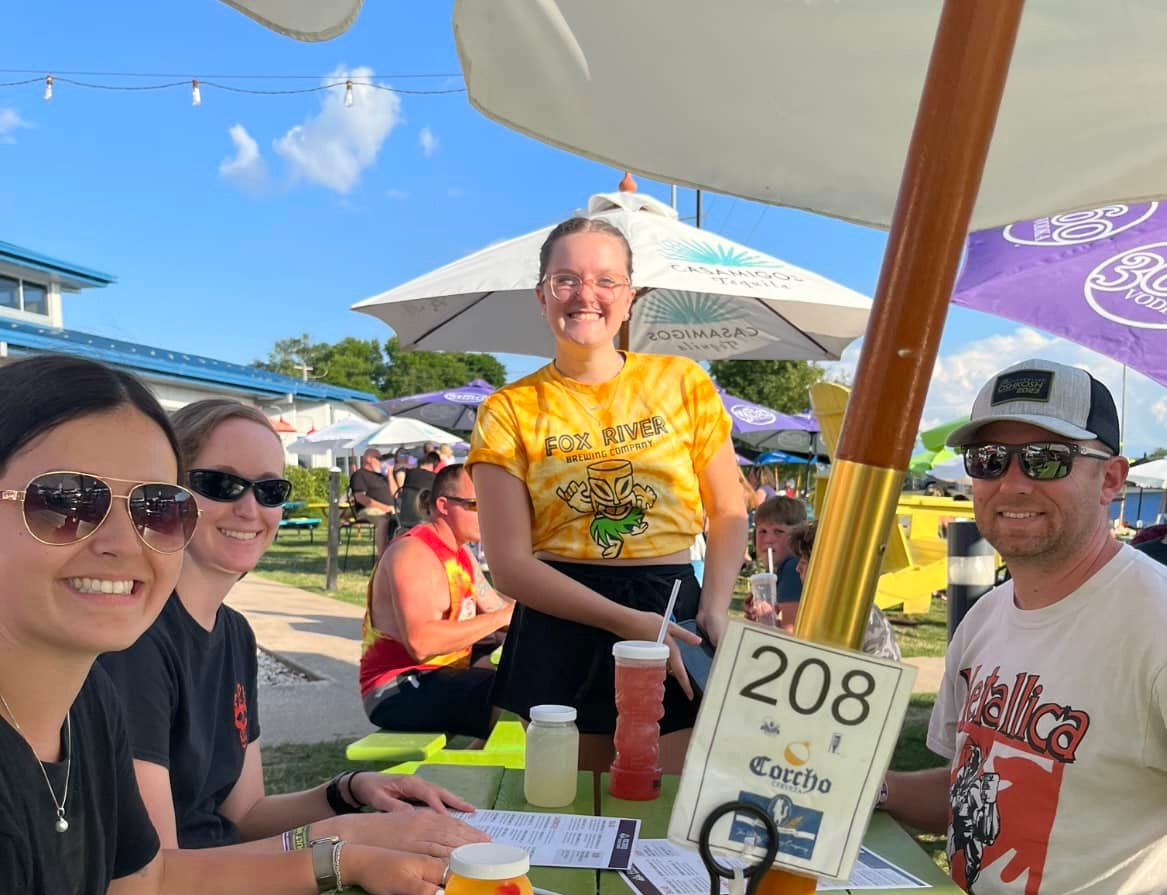
Evolving drinking habits have led to changes at Supple Restaurant Group, including the production of beverages with low or no alcohol content, including beers, mocktails and sodas, says President Jay Supple. The company operates its own breweries, has four restaurants — Fox River Brewing Co. in Oshkosh and Appleton, Fratellos in Appleton and the Melting Pot in Appleton — and runs a wholesale business.
“We’ve been selling more mocktails and beers with lower alcohol volumes than we’ve ever done before,” Supple says. Consumers drinking less alcohol is “a trend we are definitely seeing.”
He says it goes beyond younger drinkers — he thinks people of all ages are looking for more natural flavors in their beverages, which is why some fruit-forward beverages, including the Blü Bobber lower alcohol beer, are becoming more popular.
“We are definitely taking a more careful look at what we’re putting in our beverages, knowing that people are reading the labels,” Supple says.
A cultural shift
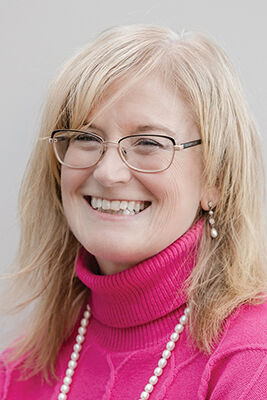
There’s no single reason why younger Americans are drinking less, although being more health conscious is definitely a driver, says Maureen Busalacchi, director of the Division of Alcohol Policy, Prevention and Research and Wisconsin Alcohol Policy Project in the Comprehensive Injury Center at the Medical College of Wisconsin.
“Younger adults don’t see drinking alcohol as part of a healthy lifestyle,” she says. “People are also having fewer social interactions in person, so that cuts down on the time they spend in places that serve alcohol.”
Then there’s the recent Gallup poll. Busalacchi says more attention has been given in recent years to the negative health effects of drinking alcohol.
“Alcohol use in Wisconsin is still above the [national] average, but it has trended lower — especially since the pandemic when consumption soared,” she says.
Another reason fewer people are imbibing is a wider acceptance of getting help for anxiety and depression. Busalacchi says it is not uncommon for people to mask those feelings with alcohol. But as people seek treatment, they learn other, healthier ways to deal with anxiety and depression.
“I believe there’s a number of factors going on” in people choosing non-alcoholic beverages over beer, wine or hard liquor, she says: “More people definitely understand the long-term impact of drinking, including cancer, injuries or death.”
Creating from scratch
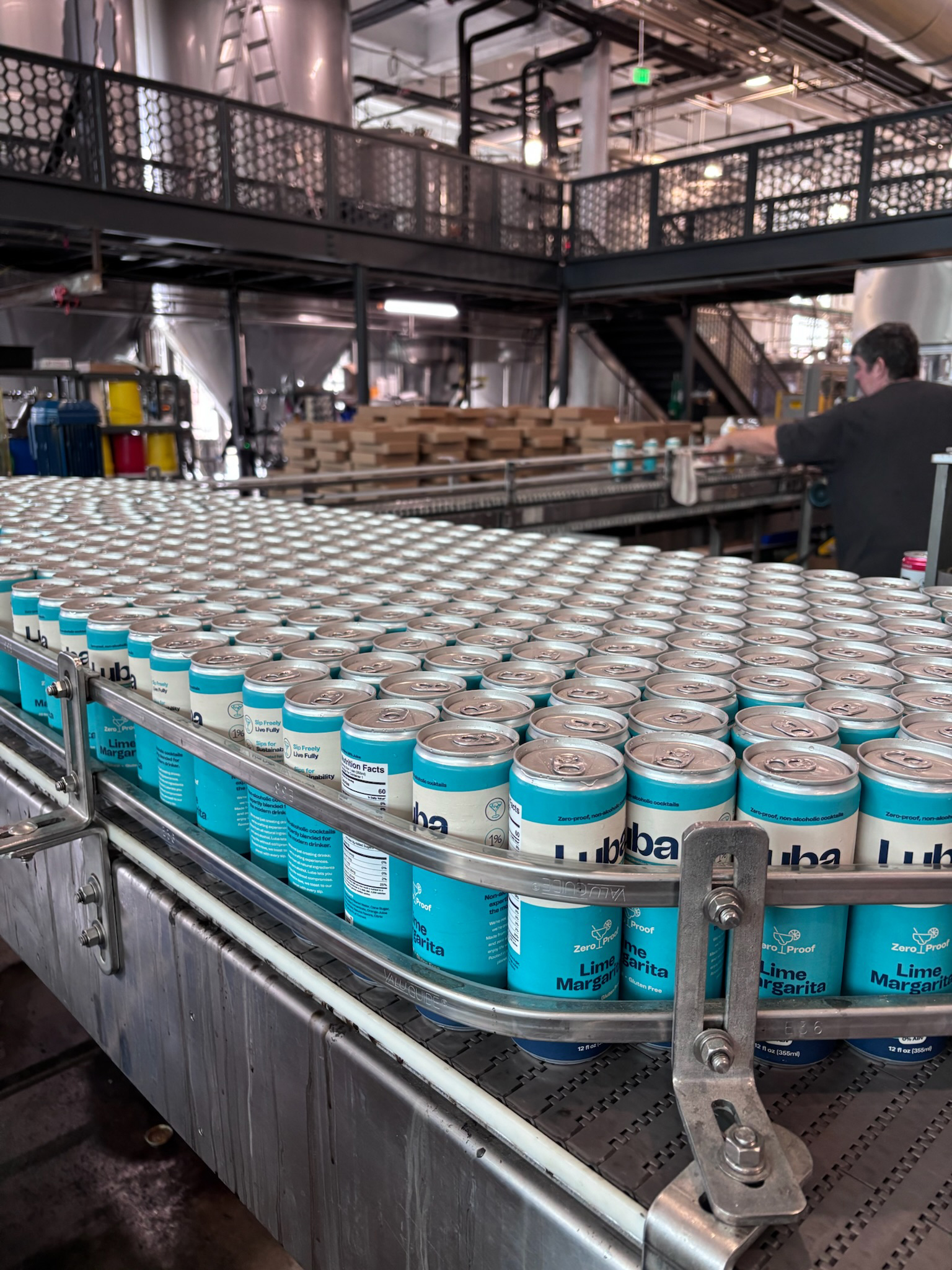
Trapani and her husband Nic began Luba Libations — which is named after her Ukrainian grandmother, Luba (which means “love” in Ukrainian) — in their own kitchen, putting together different recipes until they found the ones they were looking for. They next worked with a beverage lab to create one with the same taste that could be sold commercially.
Luba Libations launched this past Memorial Day and now the beverage is in 40 nationwide locations, ranging from convenience stores and grocery stores to bars and eateries. Luba is sold in the Festival Foods stores in Green Bay and will soon be in Sendik’s Food Markets in the Milwaukee area.
“We are self-distributed and thought of places where we would want to see this type of beverage available,” says Trapani, who also owns Door County Candle Company.
“The response has been phenomenal. We had a lot of great partners that allowed us to bring Luba to life.”
Those include the commercial beverage lab and the beverage manufacturer, Trapani says.
As the couple began creating Luba, there were already studies in place showing more people were looking for non-alcoholic options. That showed Trapani they were entering the market at the right time, she says. Looking to the future, Trapani is formulating two additional flavors of Luba. They also plan to expand to even more venues.
“The market will only continue to grow,” she says.
Changing the lineup
To be successful in the beverage market and restaurant industry, Supple says it’s important to study trends to see what customers are looking for. He says those who choose to drink alcohol want more options, including hard lemonades, iced teas and seltzers.
“You just need to look at social media and what’s on TV to notice the difference [in what’s available]. There’s more beverage options out there than ever before and you need to adapt to that,” says Supple, who is working with Sturgeon Spirits Craft Distillery in Oshkosh on a ready-to-drink cocktail.
Andrew Fabry of Badger State Brewing in Green Bay agrees that consumers are seeking a wider range of beverage options.
“We first noticed in 2020 that people were looking for more options in our taproom. They wanted more than beer,” he says. “It’s a trend we’ve been watching. We wanted to provide an inclusive space where people would feel welcomed and have something on the menu that appealed to them.”
That led to the creation of Hoppy Water — a non-alcoholic, carbonated water infused with hops.
“It’s still indicative of us as a brewery,” Fabry says. “Some people enjoy IPAs and enjoy that taste of hops. This just brings that flavor forward without the alcohol.”
Badger State Brewing’s non-alcoholic lineup also includes fruit-flavored beer and some wines.
“People enjoy that fruity flavor. I think we have one of the best non‑alcoholic menus out there and people seem to like it,” Fabry says.
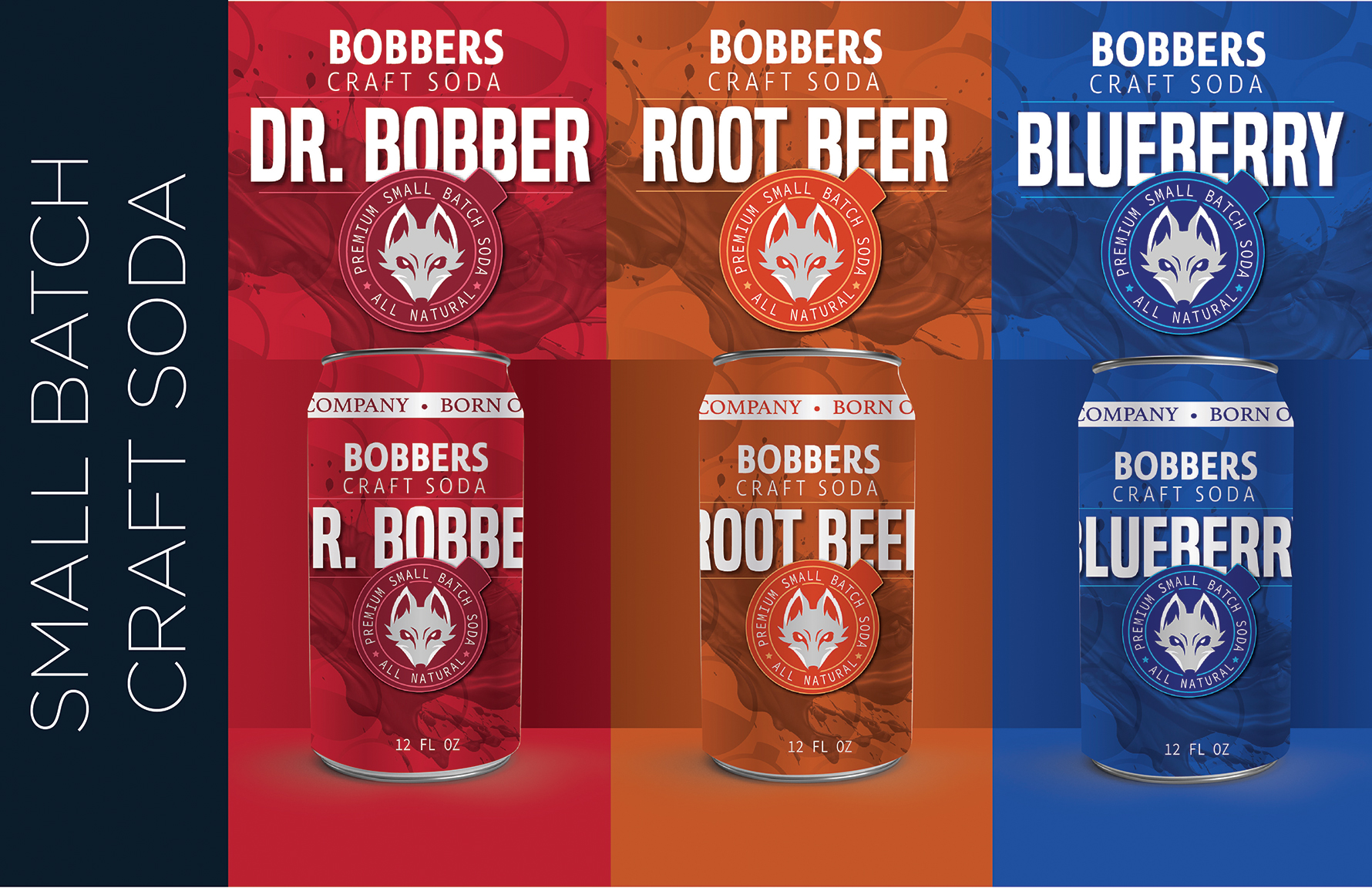
The trend of more customers looking for non-alcoholic options led the Supple Group to produce its own line of sodas. Available Bobbers Craft Soda flavors include root beer, blueberry and Dr. Bobber.
“We want to cover as many types of beverages as we can by ourselves versus bringing in someone else’s products,” Supple says. “I’ve never seen so many changes in the beverage industry as I have in the past couple of years.”
Those changes carry over to Supple’s wholesale market business, which covers Wisconsin and Upper Michigan.
“There’s definitely a lot of similarities in what we’re selling wholesale to what people are ordering to drink in the restaurants,” Supple says. “I don’t see this non-alcoholic trend slowing down, and I anticipate beverage makers trying out different innovations.”
Customers’ interest in non-alcoholic beverages will likely continue to grow, Fabry says.
“These NA beverages are here to stay. It’s not a fad. I even find myself wanting one more than I used to,” he says. “I think people enjoy the flavor but don’t want to deal with the effects of drinking alcohol.”