

Substance abuse, including drug addiction, affects nearly 50 million Americans — including someone we know and probably someone we love.
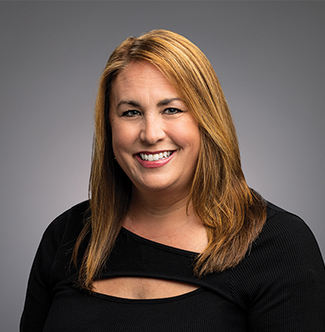
Rooting for that person’s success and recovery is a tie that should bind us as citizens, says Becky Edgren.
“No one chooses substance use disorders. No one chooses addiction,” says Edgren, a social worker who has coordinated the Shawano County Drug Court since 2019. “And if we’re going to continue to punish them by never letting them have a decent job or make a decent living, they’re never going to be successful.”
Research conducted in 2021 by the University of California, Riverside found that about three-quarters of hiring managers are unwilling to seriously consider applicants who have been convicted of crimes, including drug crimes — throwing additional boulders on the uphill battle that is life after addiction.
“The hardest part is not getting off drugs,” says Chris Gilbert, co-executive director of Manitowoc-based CORE Treatment Services. “It’s rebuilding your life afterward.”
‘Anchored to the community’
The first U.S. drug court opened in 1989 in Miami-Dade County as a way of minimizing recidivism at the height of Florida’s cocaine epidemic. The concept found its way to Wisconsin in the mid-1990s and is increasing in popularity today as methamphetamine and fentanyl crises devastate communities, particularly smaller and rural areas that are historically underserved when it comes to treatment programs — this includes Shawano, Edgren says, which started its drug court program in 2018.
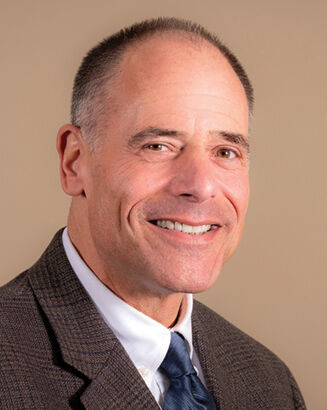
Marc Hammer, presiding judge for the Brown County Treatment Court and an assistant professor at St. Norbert College, says there is research to back the concept of treatment courts: The best way to reduce recidivism is to retain people in the community.
“When I meet weekly with our drug court participants, I always talk about the concept of anchors,” Hammer says. “You need to be anchored to your community, as opposed to floating out there and not having any relationships. Drug related charges are not lifetime sentences. If you’re a user, you’re going to come out in one, two, three years, and the programming in prison … is proven not to be overly effective.”
Drug court programs are small and intensive and can take up to two years to complete; many have long waitlists. Shawano County enrolls about 12 participants at a time, Brown about 15 to 20.
Drug courts aren’t for everyone; most are highly selective, excluding individuals who have committed violent crimes and carefully weighing a person’s need for services and likelihood of success through an evidence-based risk assessment, explains Brown County Criminal Justice Services Manager Mark Vanden Hoogen, who coordinates the county’s drug court program along with six other specialized county treatment court programs.
In Brown County, Vanden Hoogen says, the five-year recidivism rate for high-risk offenders is 38.14%, compared to a three-year rate of 68% nationally. So he knows the Brown County program is working, he says, and one of the greatest indicators of success for any participant is the dignity and structure that comes with securing meaningful employment.
Getting to work
Hammer says there are only two handouts given to drug court graduates: an alarm clock and a bus pass, both designed to help with that critical aspect of their recovery.
Employers who are willing to provide flexible schedules for counseling sessions, drug court appointments and drug testing are “incredibly valuable,” Vanden Hoogen says.
“It’s not just hiring someone who’s in recovery. It’s understanding that recovery has to be part of this person’s life,” he says. “We’ve had a number of employers that have been really supportive about that, and it makes the probability of these people continuing to be good employees much higher.”

And while there is ongoing need for employers to open up their doors to people in recovery, not all are a good fit, Gilbert says. Some companies have reputations for drug use among their employees and he won’t refer potential workers there. Commitment to creating a workplace culture that is healthy for all is paramount, he says. Demonstrate leadership. Create a place where people belong and be genuine in your interest before investing the time in training.
Even simple things like not serving alcohol at company events can send a great message, he says.
“Some of those little things can really create the environment, and I believe [people in] recovery could be 10% of a workforce,” Gilbert says.
To create a recovery-friendly workplace, Edgren recommends bringing in recovery coaches to help with accountability and peer support; large workplaces could even consider adding a recovery specialist to their HR team, she says.
And, Gilbert says, because it’s going to happen: Be prepared with a plan for handling employee relapses. Providing an outpatient treatment program for $3,000 a month could be a worthwhile investment not just in the employee’s health, but in the company’s success.
“Tell them if they complete the program they still have their job,” he suggests. “Now you’ve just showed them that you matter to us, and I honestly believe that value of a person sometimes will even trump how much money you give them. They know most of the time they’re gonna get a ‘no,’ and if you give them a ‘yes’ they’re most likely gonna outwork everyone there. To me, that’s how we break stigma.”
It’s not just hiring someone who’s in recovery. It’s understanding that recovery has to be part of this person’s life.
— Mark Vanden Hoogen, criminal justice services manager, Brown County
‘Our culture improved’
Brenda Haese has worked in human resources for almost 20 years, including stints at two different manufacturing firms in Manitowoc County. After initially connecting with Gilbert eight years ago, she says, she has become a strong proponent of hiring employees from treatment programs and drug courts.
It started when Haese hired the first-ever graduate of Manitowoc County’s drug court, who quickly became one of her company’s best second-shift supervisors and set a standard for workplace culture that was quickly envied by the first- and third-shift employees. Haese says hiring employees who had committed to recovery translated into a more inclusive, supportive culture. There was also a level of transparency and openness that even led other employees who were struggling with addiction to seek recovery support, she says.
“The more individuals we hired that were either in drug court or sober living houses, the more our culture improved,” Haese says. “What I think maybe HR needs to strip back and look at is, these individuals are giving up all their rights. They’re basically learning how to re-integrate into society, re-integrate into the workforce. But while you’re doing that they’re giving you tools and self help and listening skills and coping skills and things that everyone needs in their everyday life.”
At the end of the day, Haese says, every hire is a risk.
“You have no guarantees when you hire anybody, whether they have a record or not,” she says.
If Hammer was hiring, he says, he’d be more interested in a person who has committed to the rigorous drug court program than “just a guy who may lie on an application to get a gig.”
“We have employers who will say, ‘This person is in the best treatment program in the county, and they’re doing well in that program. If they can do well in that program, we think they can do well in our program,’” he says. “We’re hoping [more] employers will be open-minded.”
Edgren says treatment helps give people not only the workplace skills they need to be successful, but the ability to advocate for themselves in the hiring process.
“We help them be able to say, ‘hey, this was my past — but this is me now,’” Edgren says.
They know most of the time they’re gonna get a ‘no,’ and if you give them a ‘yes’ they’re most likely gonna outwork everyone there. To me, that’s how we break stigma.
— Chris Gilbert, co-executive director, CORE Treatment Services
Basic needs
Gilbert was a pastor when he moved to Manitowoc 10 years ago, but he quickly found a new calling when a stranger offered him $40,000 to open up a recovery center (“kind of a weird call,” he admits). CORE Treatment Services launched in 2020, and last year the organization served 1,022 people, Gilbert says, and spun off a consulting business that focuses in large part on smaller and rural communities.
“I actually like starting in small towns because it’s easier to move the ball; it’s easier to build rapport,” he says. “And they care. It’s their community.”
Shawano is one of those small communities that has benefited from CORE’s outreach. With one of the highest per-capita overdose rates in the state, Shawano faced serious issues and a dearth of transitional housing in 2020 when Edgren helped form the Greater Shawano Area Recovery Initiative. Today that group has morphed into the Shawano Menominee Resiliency Coalition — a nonprofit that partners with CORE to raise funds and awareness and that in 2022 opened Shawano’s first sober living house — a women’s facility. A men’s house is expected to open this year.
A roof over one’s head is another basic need without which recovery is less possible, Gilbert says.
“How are you going to focus on sobriety if you don’t know where you’re going to lay your head at night?” he says. “And the problem is, the dope house will always take you. The trap house will let you come back any time you want.”
While jobs are widely available, housing is not. Landlords are even more likely than employers to cast aside an application listing a drug conviction. Because housing of all types, including recovery housing, is under-built, the market makes it easy for landlords to pass on prospective tenants for any reason.
“Housing is, for me, the most difficult and most critical thing,” Hammer says. “Our resources are extremely limited.”
Meanwhile, the drug problem in Northeast Wisconsin isn’t going away, Edgren says. Resources and mindset shifts will continue to be highly necessary.
“Everybody has to be part of breaking that stigma,” she says. “Try and support people doing better for themselves and not [judge] people because they have a substance abuse disorder. Many people in your life are struggling with alcohol or drugs.”

