
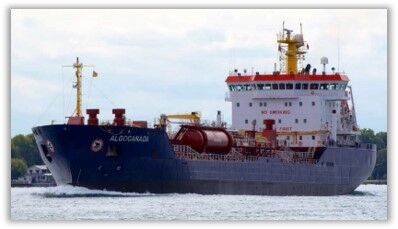

Shipping in the Great Lakes and St. Lawrence Seaway System supports nearly 7,000 jobs in Wisconsin according to a study released by Martin Associates, Pennsylvania.
Overall, the study found Great Lakes shipping supported 240,000 jobs in the United States and Canada and contributed $36 billion to the U.S. economy. U.S. ports handled 158 million metric tons of cargo valued at $26.1 billion.
U.S. Transportation Secretary Pete Buttigieg said in a press conference Friday, “Every ton that moves on our waterways means that appliances, food and components and materials are reaching homes and shelves and manufacturing plants affordably and efficiently.”
The study found shipping on the system supports nearly 7,000 jobs and $1.4 billion in economic activity in Wisconsin. Ships carry a variety of materials on the Great Lakes, including iron ore, coal and grain. Iron ore represented the commodity with the most tonnage moved on the lakes at about 39.8 million metric tons or 43.9 million tons each year.
In a July press release, Port of Green Bay reported year to date cargo tonnage was up 10 percent over last year through the end of June.
The leading cargo import for Green Bay during June was limestone at 108,114 tons. Other imports in June included cement (41,428 tons), salt (32,836 tons), coal (28,177 tons), petroleum products (17,885) and wood pulp (1,987 tons). During June, 21 ships entered the Port, two of which were cruise ships. This is three fewer ships than the same month last year.
In 2022, total cargo shipments into and out of the Port of Green Bay topped out at just over 1.75 million tons (1,765,834) for the season, a decrease of 10% from 2021.