
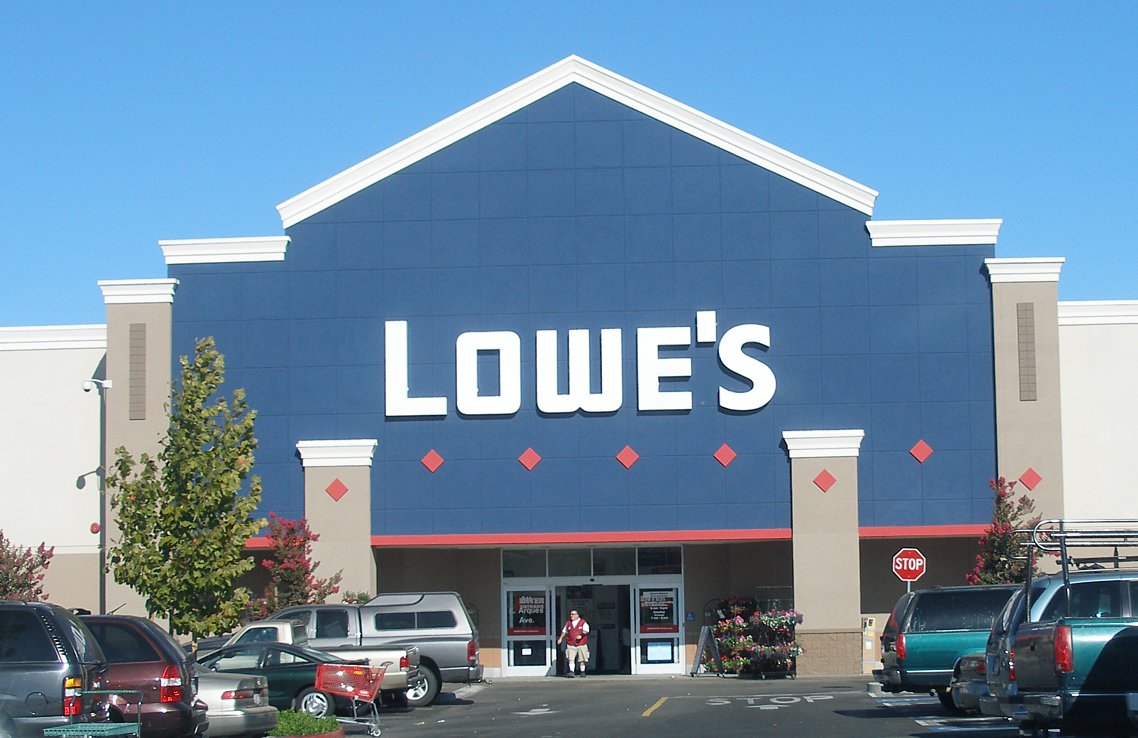

The Wisconsin Supreme Court unanimously rejected an argument from Lowe’s Home Center that could change the way municipalities assess property taxes for big box retailers.
The “dark store” argument made by big box retailers like Lowe’s, Menards, and Walmart asserts that when a municipality assesses a retail property for tax purposes it should compare the value of the property to stores that are vacant or “dark.”
Vacant stores are typically assessed at significantly lower values which can reduce the property tax burden when they are used as comparisons. Municipalities have said that large retailers are using a flawed legal argument that results in taxes being shifted onto smaller businesses and homeowners.
The Wisconsin Supreme Court agreed with the city of Delavan in a case involving Lowe’s. Lowe’s initially filed the lawsuit against the city after the city rejected the company’s appeals of its assessment.
While the city assessor used operating retail stores for assessment comparison purposes, an assessor hired by Lowe’s used almost exclusively vacant properties.
The court noted that the Wisconsin Property Tax Manual provides the following in the context of using a sales comparison approach to valuation:
• Comparable sales refer to properties that are similar to the subject property in age, condition, use, type of construction, location, design, physical features and economic characteristics.
• Assessors should use “comparable sales exhibiting a similar highest and best use and similar placement in the commercial real estate market.”
• Assessors should not use sales of vacant or distressed properties as comparable sales unless the property being assessed is similarly dark or distressed.
The Wisconsin Supreme Court, agreed with an earlier Walworth County Circuit Court decision as well as an appeals court decision. The Wisconsin League of Municipalities filed a friend of the court brief in the case.
“Large commercial retailers have engaged in concerted efforts, statewide and nationally, to challenge tax assessments using novel and aggressive theories such as the dark store theory,” said The Wisconsin League’s Legal Counsel, Claire Silverman. “It’s incredibly expensive to litigate these cases and owners of big box commercial properties who assert these theories unsupported by the law, like dark store, are trying to pressure local governments to reduce their tax assessments. If the municipality caves, these owners get an unfair tax break, with the difference ultimately being shouldered by homeowners and other small businesses.”