
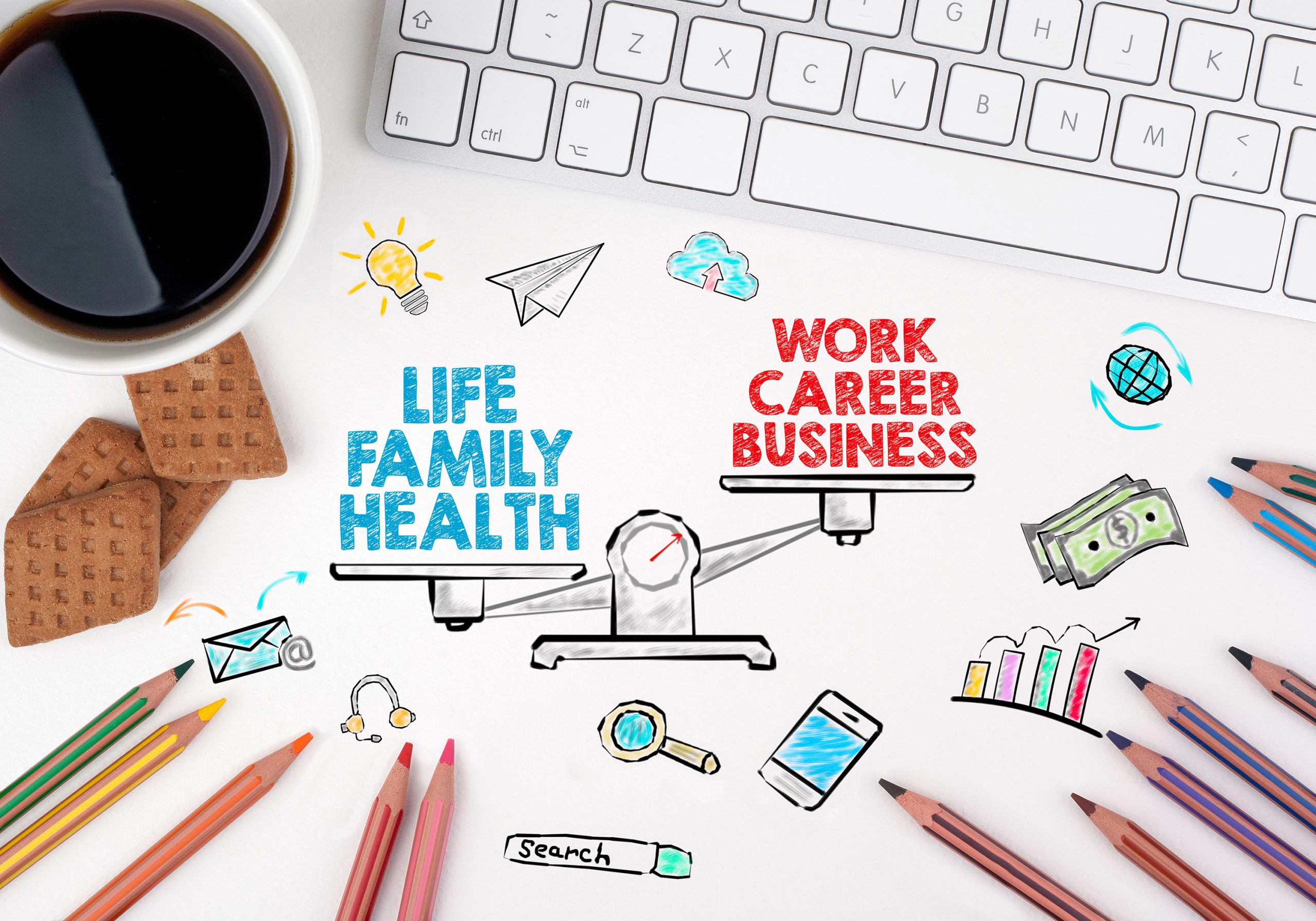
In today’s rapidly changing job market, professionals across industries are feeling the pressure to upskill or reskill to stay competitive. Emerging technologies, evolving industry standards, and automation are reshaping workplaces, making continuous learning more important than ever. However, for many working adults, the path to further education is filled with obstacles.
Balancing a full-time job, family responsibilities, and financial commitments often makes returning to school seem unrealistic. The traditional higher education model — attending classes during the day, pausing career progress, or relocating for a degree — doesn’t align with the realities of today’s workforce. As a result, many professionals delay or forgo educational opportunities, despite knowing that new skills could open doors to career advancement.
Learning while earning: a necessary shift
The challenge isn’t just about acquiring new knowledge — it’s about finding a flexible, realistic way to do so. Many professionals already work in roles that could benefit from additional education, but they can’t afford to step away from their jobs to pursue a degree.
This was my experience as well. While working full-time for a company in Appleton that builds custom fire apparatus, furthering my education in mechanical engineering would open a new door for future employment opportunities in the industry. However, quitting my job or relocating wasn’t an option. I needed a solution that would allow me to gain industry-relevant skills while continuing to work.
What made the biggest difference for me was finding a program that combined online coursework with hands-on experience. This approach allowed me to apply new concepts directly to my job, reinforcing my learning in real-world settings while simultaneously adding value to my company. Not only do employers benefit from this model, but workers who are actively learning and applying their education on the job require less training, and can contribute at a higher level faster.
The flexibility to adapt to life’s changes
Even with the right educational approach, the biggest hurdle many professionals face is life itself. Work responsibilities change, financial pressures arise, and personal circumstances evolve. That’s why flexibility is key.
During my own journey, balancing a full-time job and school obligations was managed by choosing the appropriate course load. I opted for University of Wisconsin-Platteville’s Engineering Partnerships(UW-PEP) program, which allowed me to take classes part-time, and had the weekly course flexibility to be able to step in and out of the classroom virtually. Having a program that allows for this kind of adaptability made it possible to enroll in the mechanical engineering program and further my education.
A smarter approach to workforce development
As industries continue to evolve, it’s clear that education and career development need to be better integrated. The traditional divide between work and learning no longer makes sense. Instead, professionals need programs that allow them to build skills while staying in the workforce — an approach that benefits both employees and employers.
By offering a hybrid model of online coursework and hands-on lab experiences, UW-PEP provided me with a clear path to earning my engineering degree while maintaining my job. The flexibility and industry alignment of the program made it possible for me to gain the skills I needed without putting my career on hold.
For professionals looking to advance, and for employers seeking to develop a skilled workforce, programs like UW-PEP offer a smarter, more sustainable approach to higher education — one that allows a person to balance life and continuing their education while bridging the gap between higher education and industry demands.

The views and opinions expressed in this article are those of the author and do not necessarily reflect the official policy or position of Insight Publications, a division of Woodward Communications, Inc.