
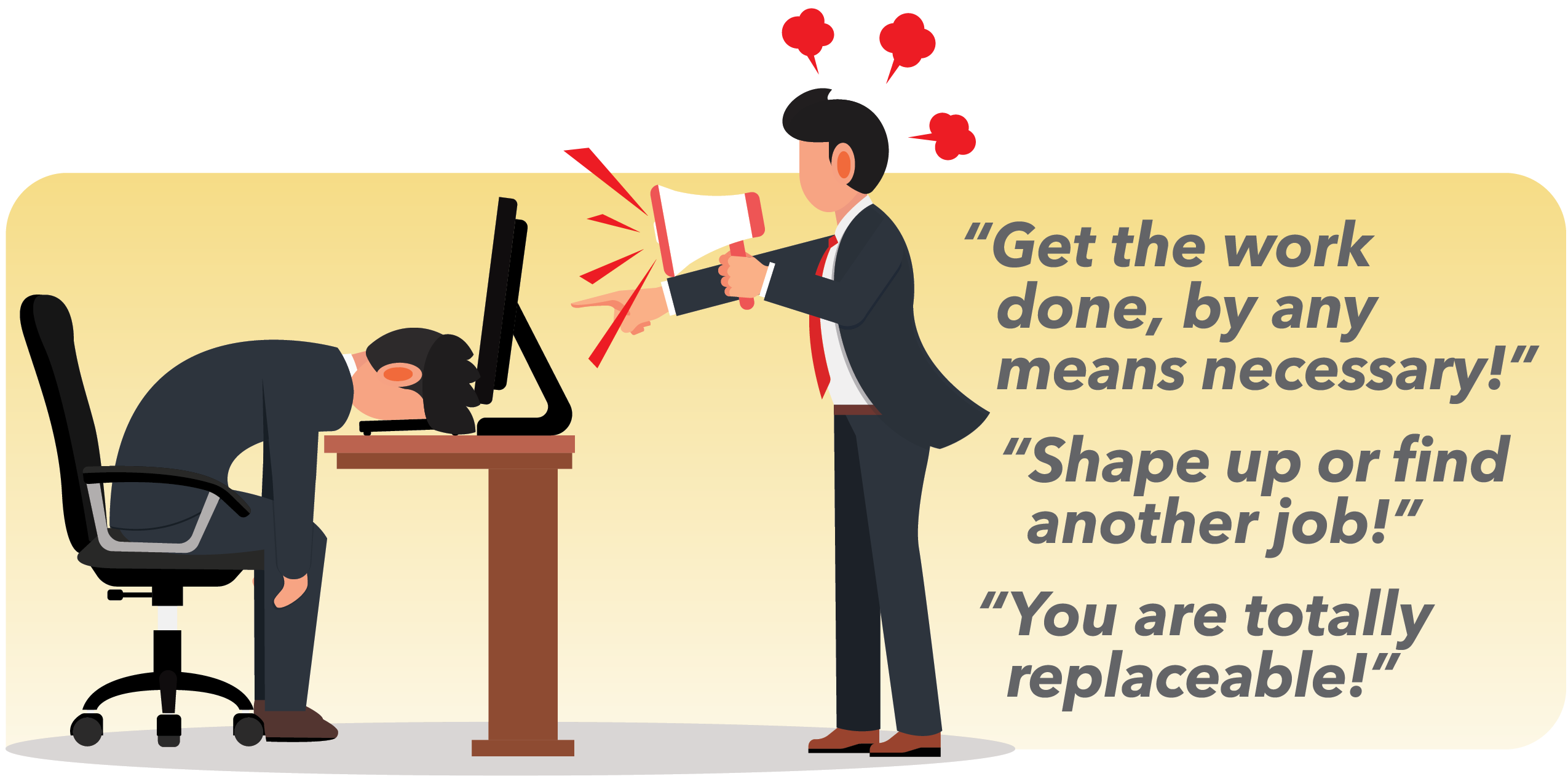
It’s hard to imagine that leaders of divisions, organizations and even industry spoke these disparaging words. We have come a long way from the archaic methods of intimidation and fear of repercussions.
The work culture is changing and along with it, the current paradigms of leadership that prioritize employee growth and development. The famous organizational focus — people, profit, planet — is evolving into people, people, people. Accordingly, organizations need people who practice transformational, authentic servant leadership.
Respect as the foundation
Respect is no longer a courtesy; it is the currency of modern leadership. Leaders who listen, value diverse perspectives and foster an inclusive environment create workplaces where employees feel safe and motivated. A culture of respect leads to increased trust, collaboration and innovation, which fuels individual and organizational success.
Research from Dr. Kristie Rogers, Marquette associate professor of management, highlights the importance of leaders’ attention to two types of respect: owed and earned. Owed respect is given equally to all employees in a group or company, showing that all employees are inherently valued. Earned respect is appreciation and positive recognition when an employee meets or exceeds expectations. Leaders’ support of both owed and earned respect can help employees feel safe in trying new things and recognized for their growth. Students in Rogers’ undergraduate and graduate courses benefit from these research-informed perspectives as they learn about relating to, influencing and resolving differences with others.
Equality as a core principle
Contemporary leadership best practices have replaced rigid hierarchies and exclusionary practices with approaches that ensure opportunities, recognition and growth are accessible for all employees. True leadership is about leveling the playing field by breaking down barriers related to gender, race, background or experience. When employees know they are valued and supported, engagement and productivity soar.
Total employee development
Today’s leaders are not just “bosses.” They are mentors, coaches, facilitators of growth and champions of trust. Employee development is not limited to skills training, either. It encompasses emotional intelligence, leadership potential and personal fulfillment. Organizations that invest in continuous learning, employee well-being and career advancement create a workforce that is not only skilled, but also deeply connected to the company’s vision.
The future of leadership
The new age of leadership demands adaptability, empathy and a genuine commitment to people and organizational growth. Marquette University supports this kind of leadership development through degree and executive education pathways. The Master in Management (MiM) prepares leaders to bring out the best in individuals and teams through a curriculum addressing change management, organizational development, inclusive leadership and human capital strategy. Marquette’s culture of care for the whole person — based on the Catholic, Jesuit value of cura personalis — supports students as learners and models these leadership best practices.
Marquette’s executive education leadership programs are also built on a foundation of human skills development such as servant leadership, communication and emotional intelligence. These skills are crucial for effective management and teamwork in today’s dynamic business environment.
Leaders who embrace respect, equality and total employee development cultivate workplaces that maximize employee potential. In this new age of leadership, future-ready companies are investing in employee development throughout the organization.
The views and opinions expressed in this article are those of the author and do not necessarily reflect the official policy or position of Insight Publications, a division of Woodward Communications, Inc.