

Wisconsin Aluminum Foundry
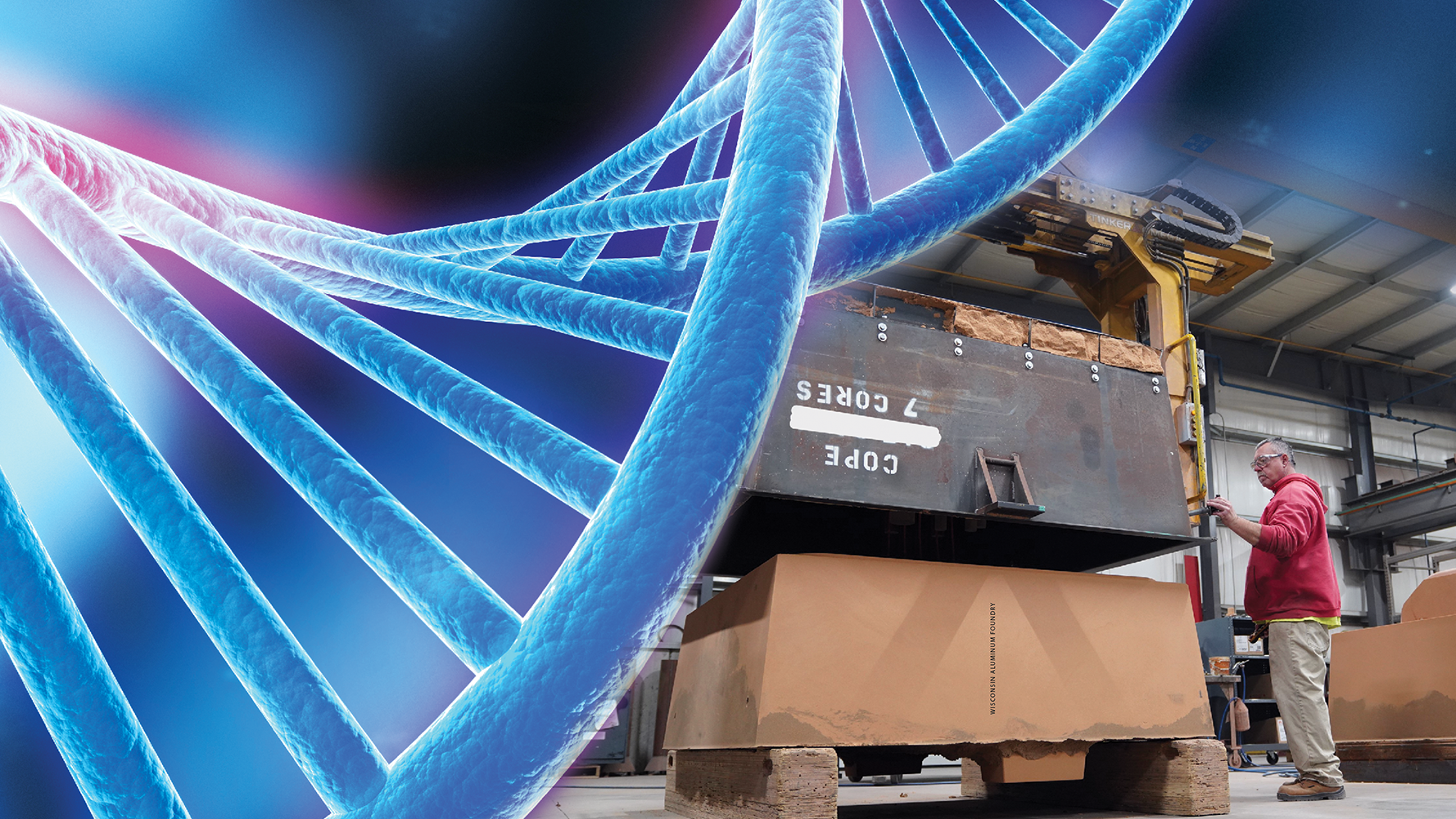
In October, Wisconsin was designated as one of 31 regional Tech Hubs by the U.S. Department of Commerce’s Economic Development Administration (EDA).
The newly-minted Wisconsin Biohealth Tech Hub works to position the state as a global leader in personalized medicine, an emerging health care approach that customizes medical tests, treatments and therapies to individual patients by considering differences in genes, environment and lifestyle.
The Tech Hub designation and implementation is a multi-phase process being led by BioForward Wisconsin, an association of more than 230 member organizations focused on initiatives to strengthen the state’s biohealth industry.

Despite the honor of being selected from 172 applicants, BioForward Wisconsin CEO Lisa Johnson didn’t celebrate the Tech Hub designation for long. She and the 15-member Wisconsin Biohealth Tech Hub Consortium immediately got to work preparing a Phase II implementation application, which came due Feb. 29.
“We feel that this really is a game changer for the state of Wisconsin,” Johnson says. “It puts our manufacturing base on the global market because just in the state is not enough; we want our manufacturers to be sending their products out globally. We need the industries of tomorrow to be in the state of Wisconsin.”
Formed under the CHIPS and Science Act of 2022, the Regional Technology and Innovation Hub Program endeavors to boost national security and position the U.S. as a leader in key industries. Johnson says Wisconsin shines in the field of national security, which played prominently into the Phase II application where $75 million in federal funding is up for grabs.
“The United States wants to be controlling its own manufacturing supply chain,” Johnson says. “Wisconsin controls the supply chain, and we control it in this industry. We have that in Wisconsin and especially in the New North region.”
Biomanufacturing boom
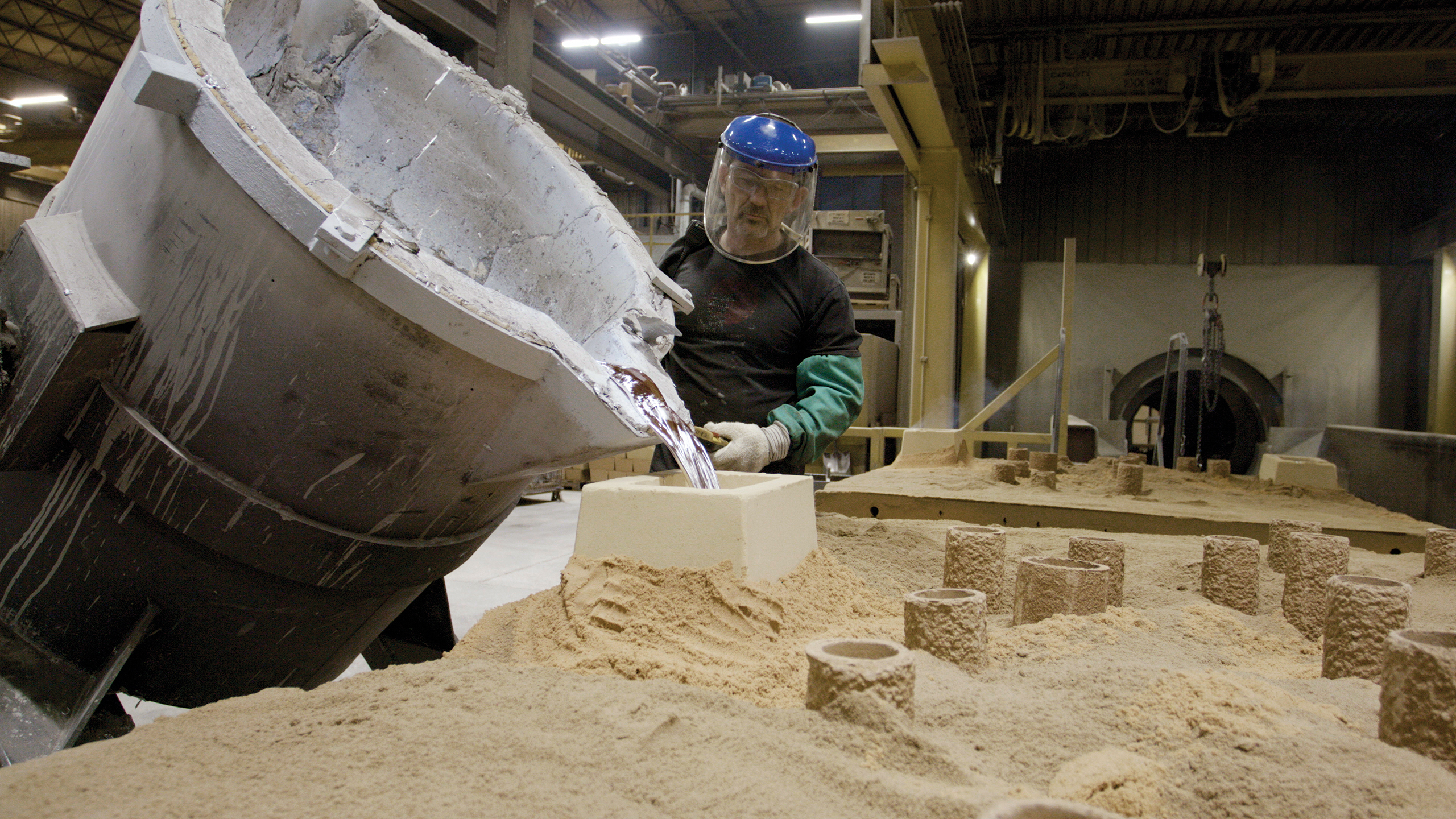
Wisconsin’s biohealth industry — which encompasses biomedical research and testing; digital health; drugs and pharmaceuticals; biohealth-related distribution; and medical device and equipment manufacturing — grew more than 10% between 2018 and 2021, generating $32 billion in statewide impact in 2021. But the state’s biomanufacturing sector has especially stood out, increasing 29% since 2018. That’s more than twice the national growth rate of 14%.
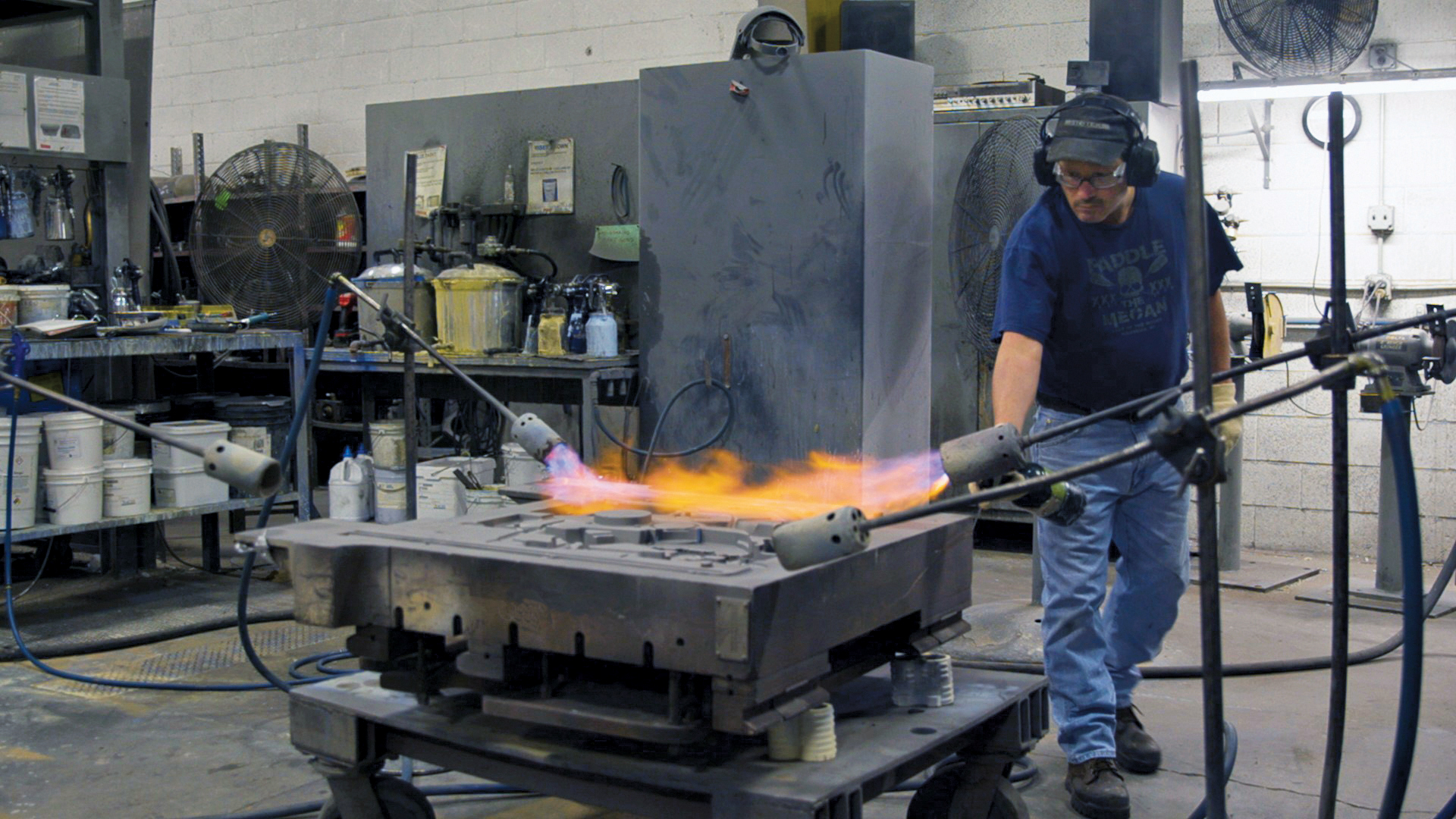
For manufacturers like Manitowoc’s Wisconsin Aluminum Foundry (WAF), which produces aluminum- and copper-based alloy castings for various industries including health care, the Tech Hub designation represents the potential for incredible growth and evolution in an emerging market.

“We make a lot of medical equipment, and that field has been booming and it’s just continuing to grow,” CEO Sachin Shivaram says. “This is going to be a huge new growth avenue for the whole state.”
The Tech Hub program makes targeted investments in the 31 designated regions, leveraging each area’s existing assets and resources. Investing in areas of strength is a strategy with which Shivaram is familiar. He says the foundry, which has locations in Wisconsin, Minnesota and Indiana, recently chose its Manitowoc plant for a 50,000-square-foot expansion.
“The reason why we invest here in Wisconsin is because we have a very strong ecosystem around us that doesn’t exist elsewhere,” Shivaram says. “[The Wisconsin Biohealth Tech Hub] is going to help our end customers become more successful, and then they in turn are able to invest in their supply base. That’s just going to make us stronger.”
The Wisconsin Biohealth Tech Hub has multifaceted goals. These include facilitating manufacturing coordination and data sharing, expanding lab space and computing capacity, and accelerating domestic biotech manufacturing.
Many New North companies are enhancing their biomanufacturing capabilities to meet the growing demand for personalized medicine solutions, says Barb LaMue, president and CEO of New North, Inc., the economic development organization serving the 18 counties of Northeast Wisconsin.
“We have a lot of companies that are making medical devices or medical products, so we want to make sure that there is room for companies and organizations in Northeast Wisconsin to be able to plug into this,” LaMue says. “There’s a component in this [Phase II] application that talks about the strength of our manufacturing, and that’s where our New North region would play the greatest role.”
Statewide, the medical device and equipment sector supports nearly 12,000 jobs — a concentration that’s 34% greater than the U.S. average.
“Whether it’s large companies like Plexus to your mid-sized [companies] that are manufacturing for the biohealth industry, which also is a manufacturing industry, it’s a key selling point for us to come back to the government saying this is why we should be one of the final [Phase II] designations,” Johnson says.
Building on strength
In addition to national security and technology, private industry was a high priority in the Phase II application.
Michael Tendick, market sector vice president – health care and life sciences at Plexus Corp. in Neenah, also serves on the Wisconsin Biohealth Tech Hub steering committee. He says that, as a leading manufacturer of complex electronics for the health care industry, Plexus represents the strength of existing industry.
“The focus of this investment is on areas of the country that have existing strengths supporting the industry. The Exact Sciences, the GEs, the Plexuses within Wisconsin create that nice baseline and contribute that biohealth strength from an industry standpoint,” Tendick says. “A key part of this designation is collaboration between all aspects within the state, from education all the way up through industry, making sure we knit those together and really build on these existing strengths.”
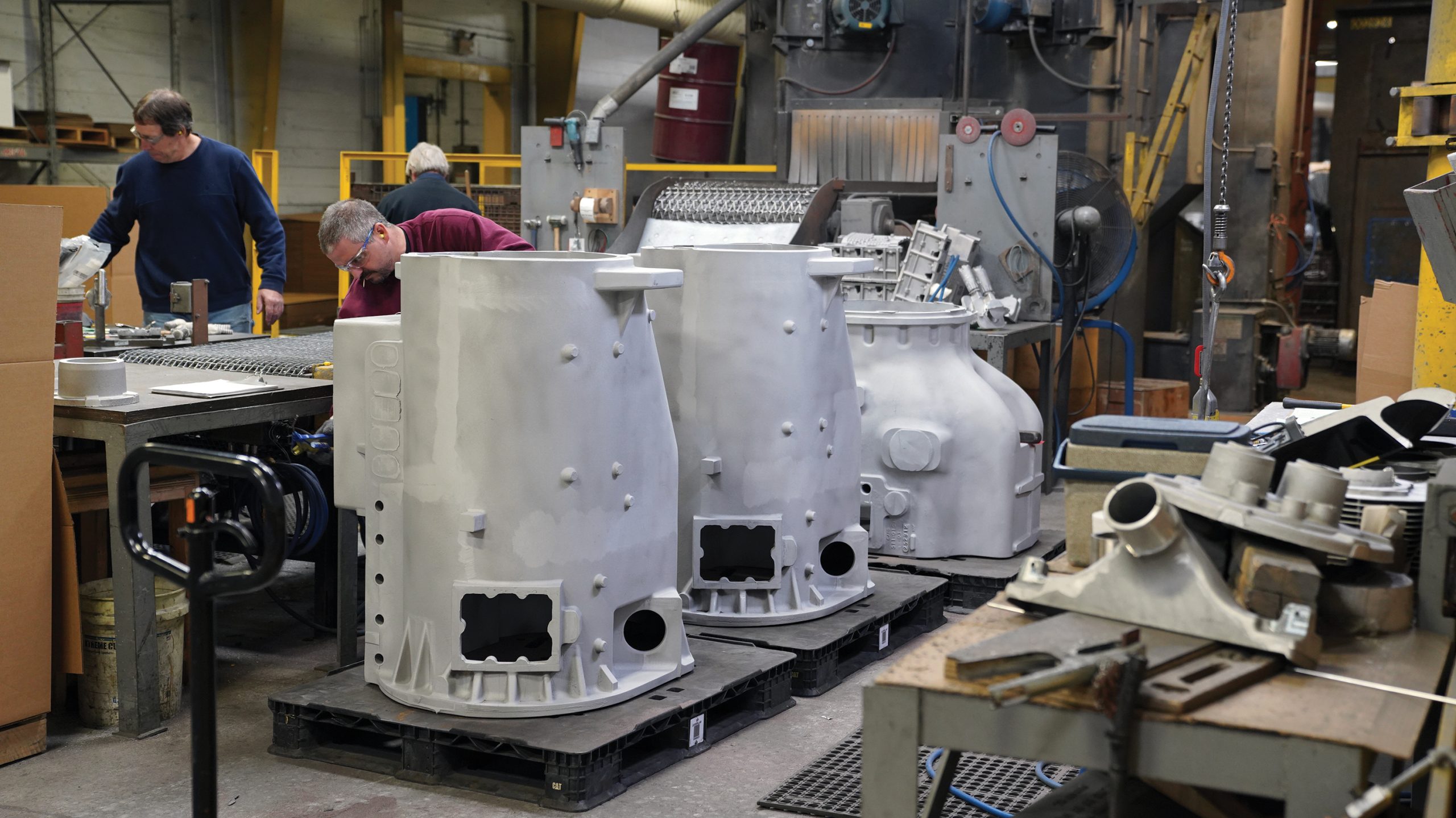
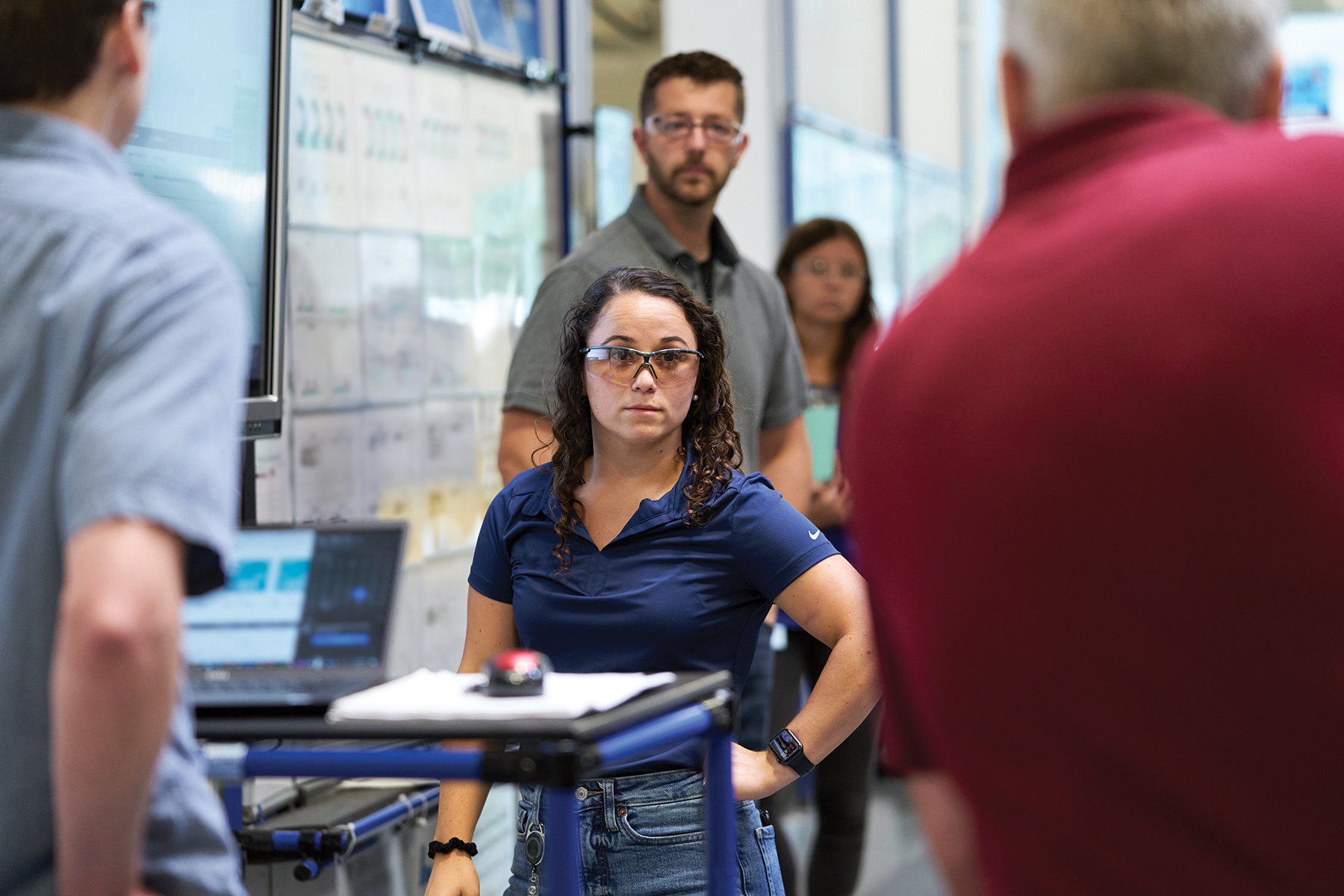
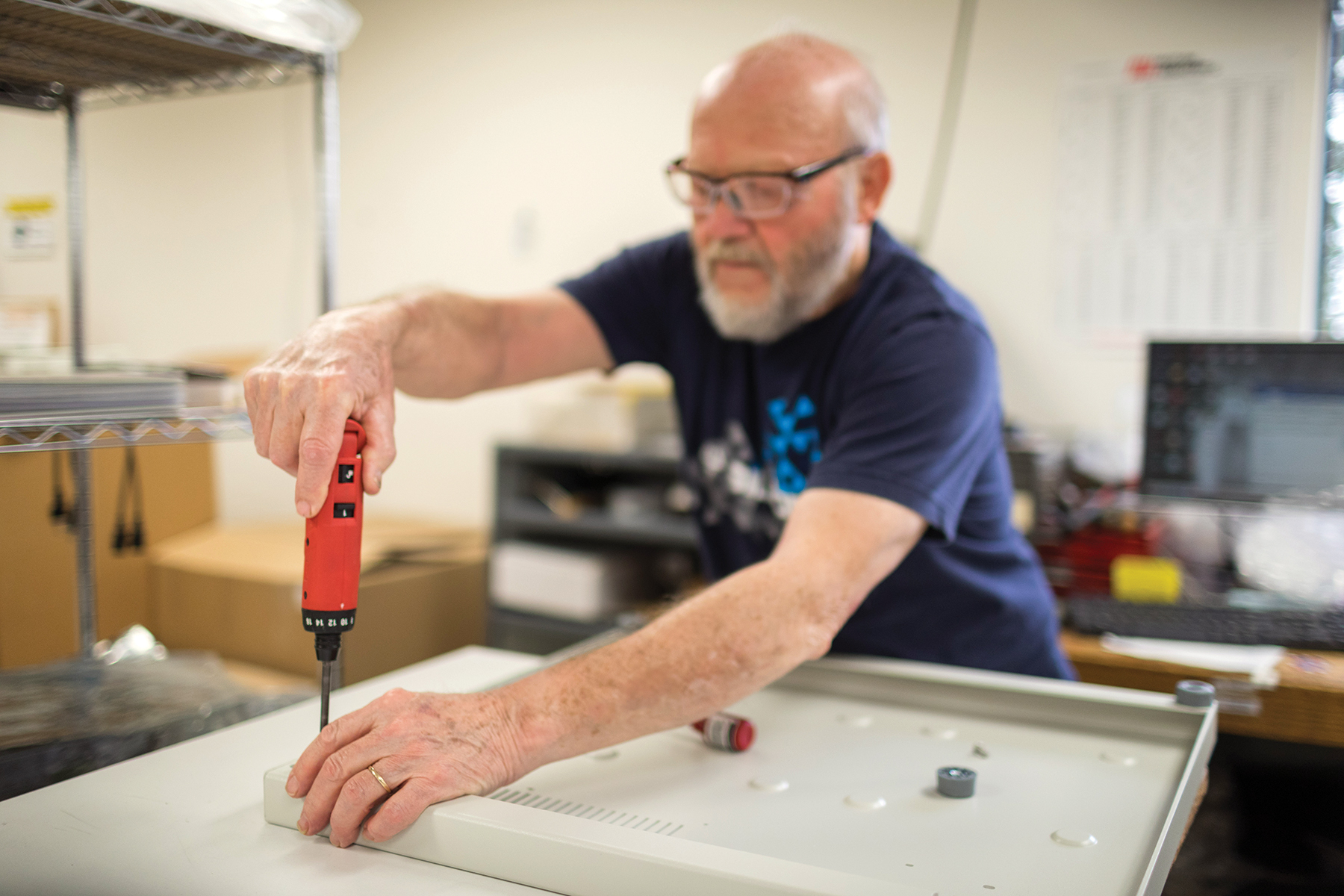
Shivaram says that, as the maker of high-quality precision aluminum parts, WAF is a natural fit for the medical market and is already producing aluminum rings for MRI machines, several components for the Intuitive Surgical DaVinci Robot as well as dental equipment.
Yet while the foundry’s medical industry work currently makes up only about 5% of the business, Shivaram says its growth trajectory is promising and represents a market the business is actively pursuing.
“It’s a very tiny portion of our overall business, but the growth is 10% to 15% per year, while everything else is either growing at anemic levels, maybe 1% or 2%, or even shrinking like in the case of combustion vehicle applications,” he says. “So you can quickly see, just by doing the math, this is going to become a big part of our overall pie.”
Shivaram believes the Tech Hub designation will increase business opportunities over the next two to three years and into the next decade.
As personalized medicine is becoming increasingly important in many areas of health care, the Tech Hub aims to not only create the necessary infrastructure, but also attract talent. This is good news for companies like WAF, which is in need of about 80 people over the next two years to staff its new Manitowoc plant that is focused on specialized production methods for EV and medical equipment applications. These positions require advanced technical knowledge the foundry hasn’t needed before, Shivaram says.
“With medical equipment, the stakes are high. With the sophistication and modeling [required] we need to hire degreed metallurgists and engineers so we’re competing with other high-end companies that are going to pay a lot more,” he says. “It’s going to be a challenge to get that technical knowledge into companies like ours because we’re not accustomed to playing in that market.”
While producing high-stakes medical parts stretches WAF’s capabilities of production and talent, Shivaram says the payoff will have long-lasting and far‑reaching implications for the business.
“Once we have this learning, we’re going to offer that capability not just on medical parts but on anything,” he says. “We’re going to be so much better off for struggling to learn and doing all the R&D. We’ll emerge as a more capable company to further differentiate ourselves from commodity imports that are always going to be cheaper. This is another huge benefit of this — not just the growth we get from the demand itself, but becoming better in terms of our capabilities.”
Phase II update
Approximately five to 10 applicants out of the 31 Tech Hub designees will be selected for the EDA’s Phase II implementation grants. Between $50 and $75 million will be awarded to support projects that drive innovation and economic growth in critical technologies.
BioForward Wisconsin and the component project leads, who are consortium members, presented six interconnected projects as part of its Phase II application.
“I think we’re really poised to win Phase II, [which] is about receiving money from the EDA, but now it’s a very different approach,” Johnson says. “We had to convince them ‘why’ in Phase I. Now we have to convince them ‘how’ we’re going to do it, and it’s all project-based.”
In addition to manufacturing, projects focus on the areas of workforce, education, technology and commercialization through entrepreneurship and partnership.

For example, one proposed project would leverage AI and advanced data management to help clinicians administer new technologies and prepare manufacturers and supply chains for increased demand. Another project would deploy a mobile cancer screening fleet directly in neighborhoods experiencing the highest health disparities. Yet another project would work to expand lab space and develop technical assistance programming for entrepreneurs, bridging the lab-to-market gap.
Phase II funding decisions are expected to be made later this spring, but no official date has been announced.
With the development of the Wisconsin Biohealth Tech Hub, manufacturing leaders like Shivaram believe the region is poised to emerge as a worldwide leader in biomanufacturing, much like when New North manufacturers pivoted from paper to become leaders in flexible packaging production.
“That had nothing to do with our innate advantages in the economy. People just figured it out and learned, so in the same way, this is a brand new sector where we could become the global leaders,” Shivaram says. “I’m excited about Wisconsin gaining a new claim to fame.”
More on the web bioforward.org/wisconsin-biohealth-tech-hub