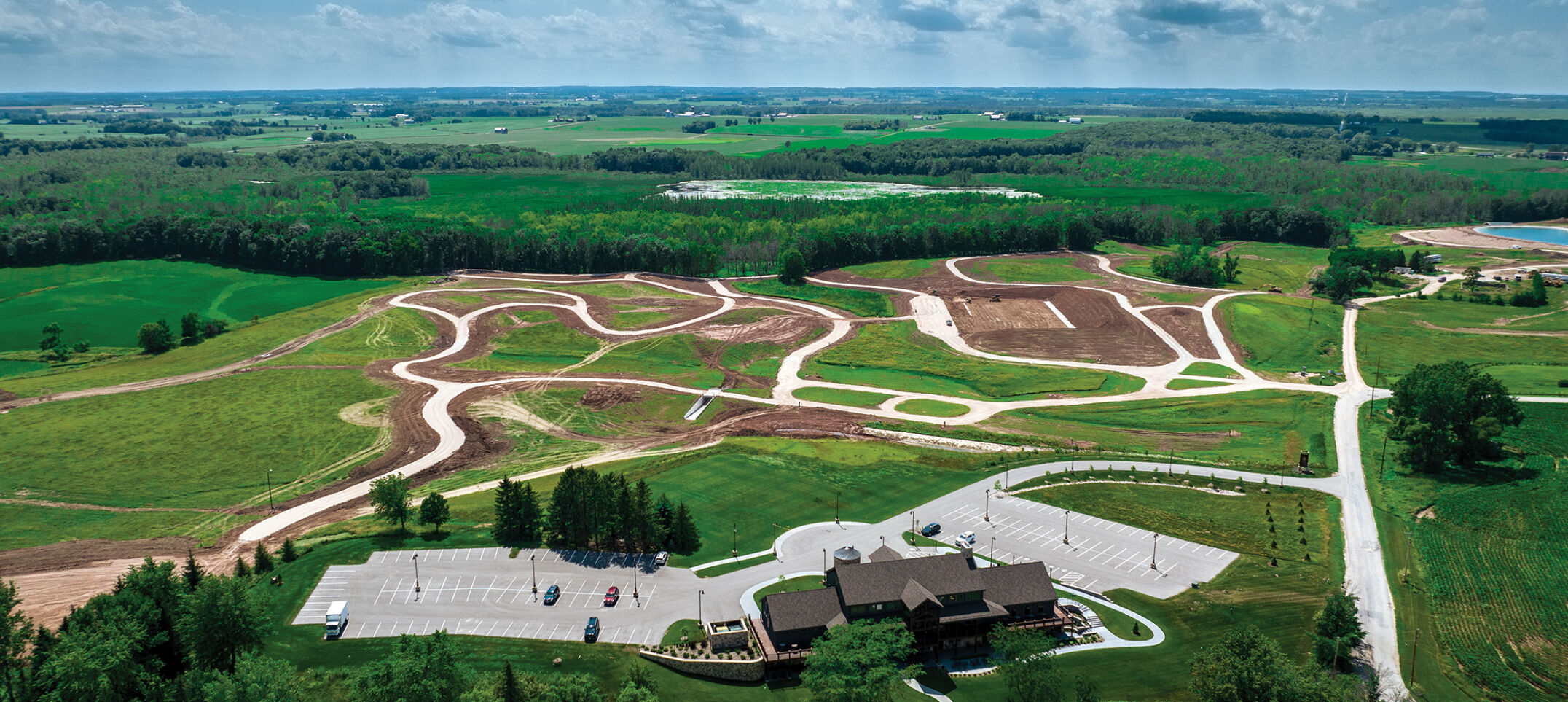

AriensCo recently opened Ariens Nordic Center, a 200-acre network of recreational trails for activities such as cross-country skiing, biathlon, roller-skiing, running and hiking.
AriensCo
For Dan Ariens, Brillion, Wisconsin is home — and it’s where the family business has proudly manufactured its iconic orange lawn and snow removal equipment for more than 90 years. Like any Northeast Wisconsin manufacturing CEO, Ariens needs to grow his company’s workforce and is in a near-constant hiring mode. And while all major employers are recruiting, Ariens faces the added challenge of recruiting to a small town. The Calumet County community, situated along Highway 10 smack dab between Lake Winnebago and Lake Michigan, has a population of just over 3,000.
But like any good plot of prairie land, Brillion can hang its hat on the classic cinematic adage: If you build it, they will come.
For AriensCo, that has meant opening a world-class biathlon training and outdoor recreation center, a hospitality division, nature trails, a museum and a dedicated child care center. In fact the Brillion Early Learning Center, a partnership with KinderCare, in 2021 became one of the first projects built to anchor what is now being called the Brillion Works District — 144 acres of prime real estate that for 123 years was the site of Brillion Iron Works, the company whose 2016 closure rocked the community.
Lifelong Brillion resident Tammy Williams gets teary-eyed when she thinks about peeking through the window of her late father’s office in the sprawling 1890 brick Brillion Iron Works building. Last fall, Williams moved her own belongings into the building as a member of the AriensCo leadership team, which now has offices in the renovated historic space. Williams recently concluded a tenure of nearly two years as AriensCo’s vice president with an extra-special area of focus: Growing Brillion.
“It was execution,” Williams says of her role. “Dan has an incredible vision and commitment to Brillion. When you think about the world-class developments we’re having here in Brillion, it’s because of his vision, his passion and his commitment to the community. I was able to come in and actually implement some of the things that were necessary for [that vision]. It’s been an awesome ride, and I’m not going away. I’m still going to be present, just in a different way.”
For Williams, who started a position with Capital Credit Union last month but will continue to call Brillion home, that continued involvement will come in many forms — most notably through the Grow Foundation, Inc., which is now seeking to move the needle on Brillion’s population to 5,000.
The ambitious goal was announced in February 2022 as a joint vision of the city, the school district and the town’s two largest employers — AriensCo and Endries International. Williams says reaching 5,000 residents will grow Brillion’s tax base and bolster the amenities being put into place, particularly by AriensCo. The Ariens Nordic Center, which opened just this winter, is the first facility of its kind in the Midwest.
“It’s fun to think about, could we produce an Olympian here?” Williams says.
The pieces are being put into place, Williams says, with the community’s support. “It’s a simple recipe,” she says, “but you have to get people to think through it, get in a growth mindset.”
And despite the challenges ahead, Williams says she’s confident the mindset will stick.
“I know it will. It’ll stick,” she says.
People make the place
Sticky amenities are essential, of course, but the real work of placemaking is in activating spaces. According to the New York-based nonprofit Project for Public Spaces, placemaking goes beyond urban design to creatively capture physical, cultural and social identities associated with a place. It “fosters successful social networks and benefits multiple stakeholders and initiatives at once.”
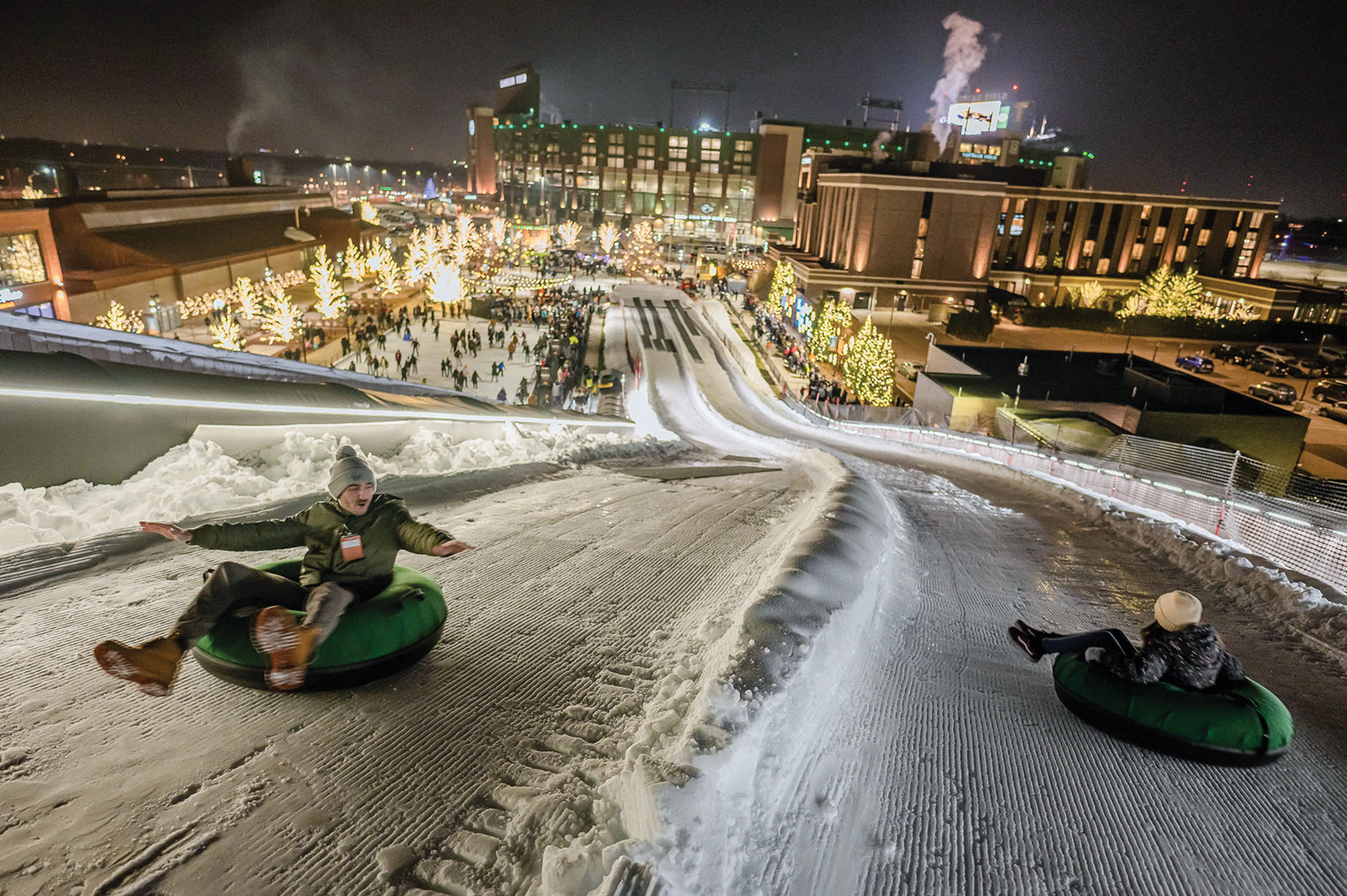
And that’s exactly the mission of Jackie Krutz, Titletown residential and programs manager for the Green Bay Packers. Krutz came to Green Bay five years ago from Los Angeles, where she first started working in the placemaking space for an innovative real estate company. With Titletown, she saw the perfect opportunity to apply those skills.
“It’s one thing to design and build a park,” Krutz says, “but it’s another thing to draw people to the space and make it a sense of place for them — and a space that’s inclusive for all.”
Krutz says Titletown is a unique amenity that reflects many of the Packers’ goals and priorities as an organization, but talent attraction and retention is among the most important.
“You can go out and bring talent in, but once you’re in, what happens and how do you become integrated into the community? I’ve had a few people come to me and tell me they love Titletown because they’re transplants to the area and the community has felt like one that is familiar to them,” she says, adding that it can be harder to connect in places like Northeast Wisconsin, where driving instead of walking is the primary way of navigating the community.
In Titletown, Krutz says, there is an opportunity not only to provide a welcoming, walkable atmosphere but also to increase inclusion and accessibility within the greater community.
“It’s nice to be able to showcase the growing diversity that we have within the Green Bay area,” she says.
Heather Wessley is director of community engagement for Fox Communities Credit Union. She says her unique role with the organization, which includes financial literacy outreach and planning events like the FCCU’s signature “Bike to the Beat,” has provided a diverse view of placemaking. She describes a recent experience helping with financial education for Afghan refugees.
“Even though I’ve lived here my whole life, every day I’m finding out about different parts of the community,” Wessley says.
Home is where the heart is
To Bergstrom Corporation Chairman and CEO John Bergstrom, placemaking is a corporate responsibility. His company made a commitment back in 1982 to reinvest 25% of its pretax profit back into the communities it serves. As a private company, he says, Bergstrom has the flexibility to make such a large commitment — and as such it was important to him to do so.
“We think that’s very good business,” Bergstrom says. “We think our community is a better place because we help. [The Fox Valley] is home for us. Our family has lived here for 100 years and we sincerely feel a responsibility.”
For companies across the New North region, that sense of love and responsibility for the place they call home is transforming places and translating into talent attraction.
Given that it manufactures products like Skee-Ball, it’s probably no surprise that The Village Companies in Pulaski lists “fun” as a core value. Founder and Chairman Larry Traenkler has owned the Indoor Football League franchise the Green Bay Blizzard since 2013, and Chief Operating Officer Paul Knoll says investments in education and entertainment have long been central to the company’s mission as it strives to grow its workforce as well as Pulaski and surrounding communities.
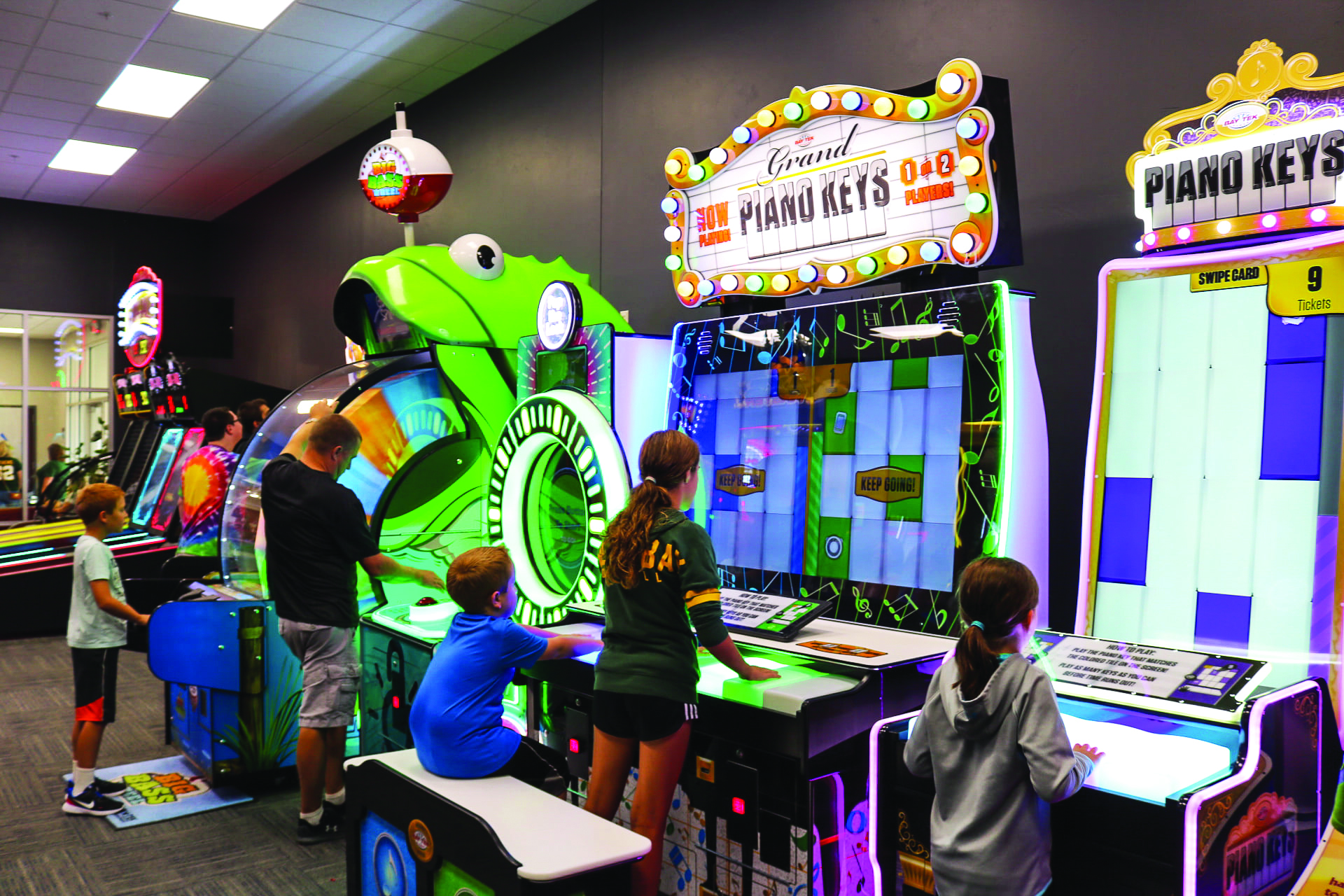
Tonya Dittman, a Pulaski native who became the company’s director of engagement in November, says that investment in fun, not only internally to the company but to the greater community, has had a positive impact on recruitment and retention.
“We’re creating and designing and engineering these awesome, fun games,” Dittman says. “We just had a gentleman join us from California. He could have gone anywhere, but he’s here doing R&D and his wife is opening [a business]. Acting together, we can really achieve great placemaking and community development.”
Elizabeth Runge, community development director for the City of Two Rivers, says the pandemic got communities thinking differently about talent attraction and placemaking. Located on Lake Michigan in Manitowoc County, Two Rivers is known for the stunning, 50-acre Neshotah Beach. The Metal Ware Corp. and Carron Net Company are among Two Rivers’ largest employers with job opportunities, but small-town and beach living have also carried appeal for remote workers.
“Tourism is a tool to attract people here,” Runge says, “but with our natural resources, affordability and proximity to larger areas … if you can work from anywhere, why not work here?”
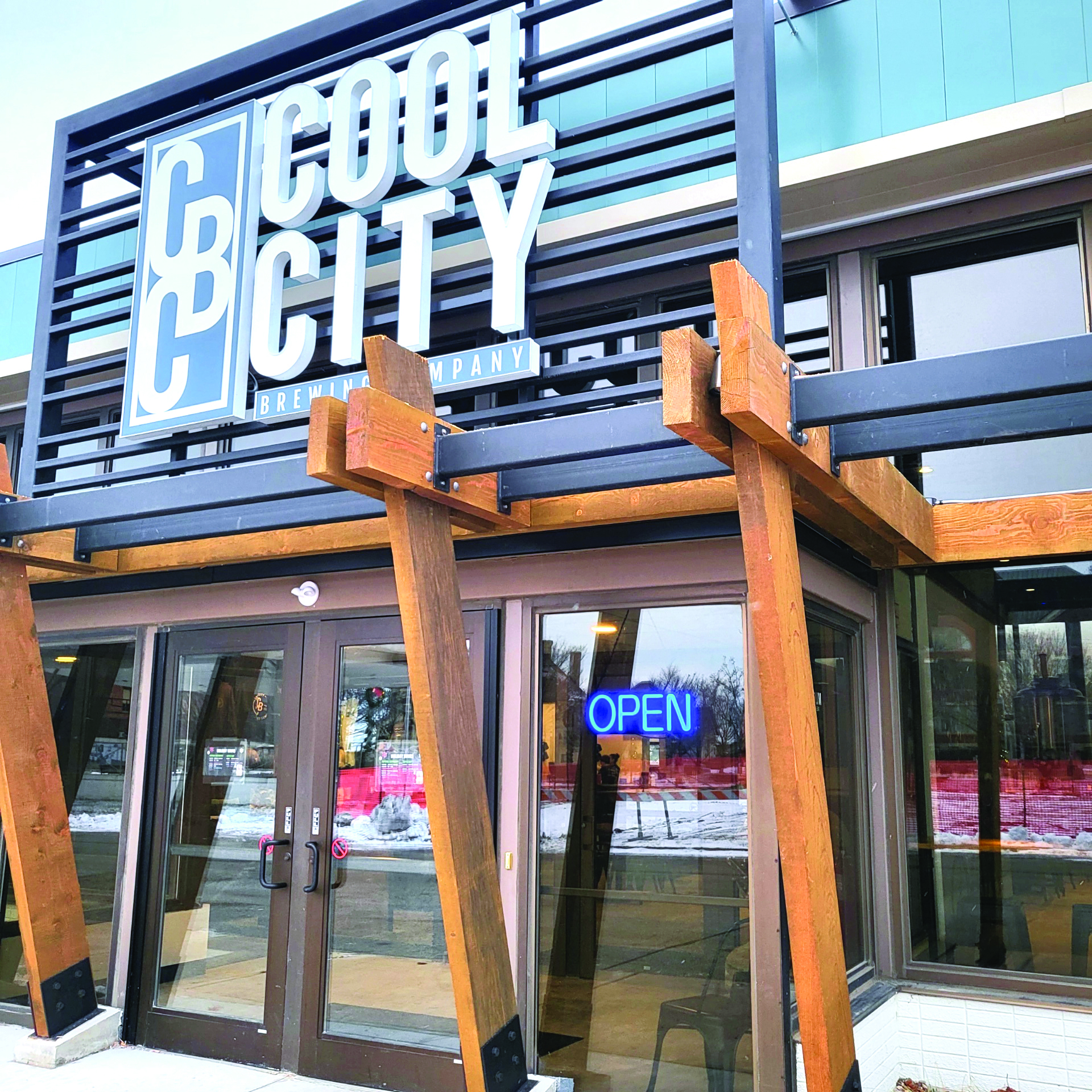
And for most placemaking projects and investment opportunities in the New North region, a little local love is key. Two Rivers business owners Barry and Gina Krahn, who are natives, and Curt and Jean Andrews, who are transplants, have channeled their passion for Two Rivers as a destination into a project that has transformed what could have become a blighted former Wells Fargo property into Cool City Brewery. The couples, along with others, have also invested in bringing Cobblestone Hotel & Suites to the community.
“These were just people who wanted to see something happen in their community,” Runge says. “They’re doing it for their families and themselves.”