

Weary consumers have grown tired of tipping.
That’s according to a new survey by consumer financial services company Bankrate, which reveals 59% of Americans view tipping negatively and 35% believe tipping culture has gotten out of control.
During the COVID-19 pandemic, generous tipping — a minimum of 20% or more — on goods and services became a way to support businesses and workers impacted by restrictions and shutdowns. But now that it’s back to business as usual, what lingers is “tip creep,” or an increasing number of businesses asking for higher-percentage tips that leave consumers feeling strapped.
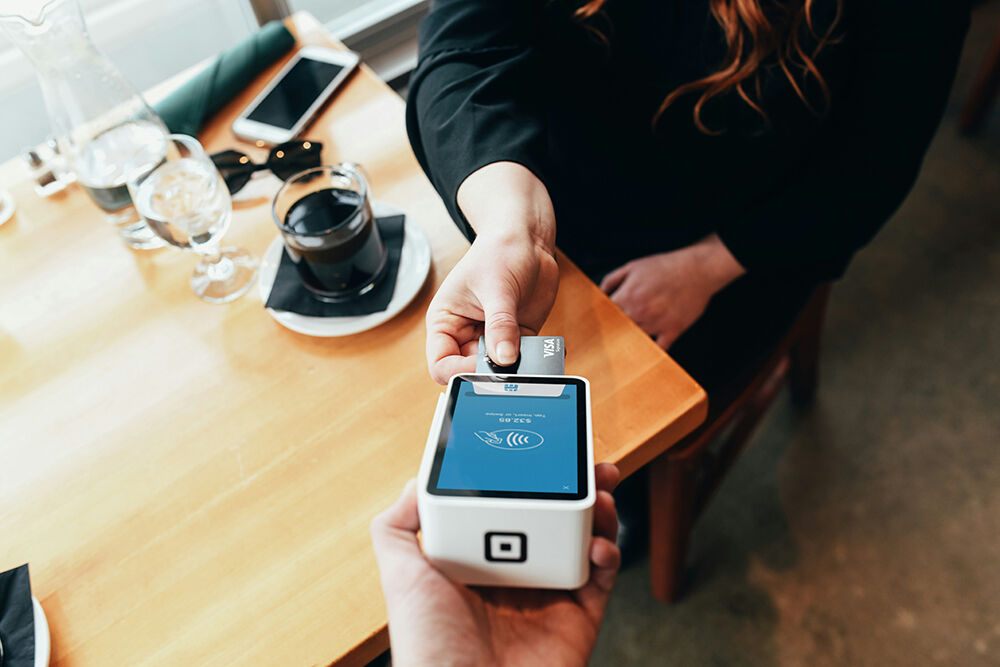
Servers at sit-down restaurants, hair stylists/barbers, food delivery workers and taxi/rideshare drivers are the most frequently tipped employees, but the number of businesses asking for tips on prompted screens at checkout is growing and leading to consumer “tip fatigue.”
Bankrate’s survey found that more than one-third of consumers dislikes the tip screens that pop up at fast casual restaurants, retail stores and other less traditionally “tipped” businesses. Opting out or customizing a tip can be complicated and at times awkward, especially if the employee receiving the tip is watching. The unfortunate irony is that these screens actually caused 25% of people to tip less or not at all.
The best tippers are also the ones most fatigued. A consumer study by B2B software guide Capterra found that consumers with household incomes of at least $100,000 are 21% more likely to leave a tip of 20% or more. They are also more likely to have felt manipulated into tipping more on a screen and say they’re being asked to tip too often.
Tipping itself has a complicated history in the United States, but assuming it’s here to stay for the time being, businesses outside the restaurant and service industries need to weigh the pros and cons of using a tip screen. In an effort to incorporate technology and ease, don’t inadvertently alienate your best customers.

