
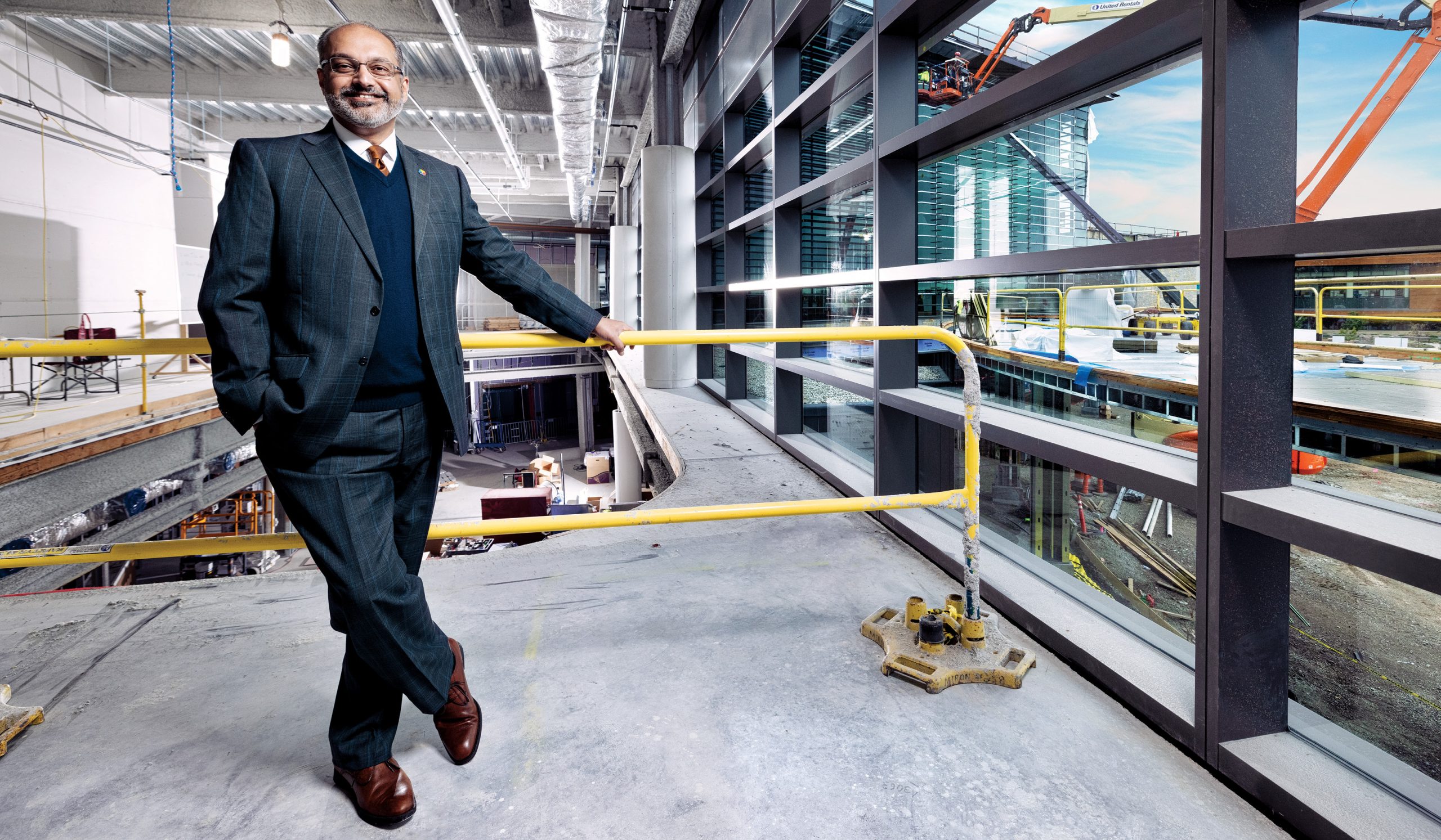

Dr. Imran Andrabi had several goals in mind when he became president and CEO of ThedaCare in 2017, such as increasing patient offerings, improving quality and finding ways to better the community’s overall health.
But when COVID-19 struck in March 2020, ThedaCare — like other health care organizations — provided care for patients with the highly contagious virus, changed how it operated, and increased public education about how residents could stay healthy and, later, where to get vaccinated.
“Some things have not changed, but everything has changed,” Andrabi says. “The mission, vision, values and serving our communities remain the same. But COVID completely upset the applecart and made us innovate and create new ways to think about our work differently.”
For Andrabi, that has meant making beds and working in the emergency room as ThedaCare asked all salaried clinical and non-clinical employees to work eight hours every one to two weeks on the front lines to help alleviate stress on caregivers.
“We are all part of the labor pool. I’ve made a lot of beds, but it’s not about me,” he says. “It’s about giving our front-line workers a helping hand.”
As the largest employer in the New North with more than 7,000 employees, ThedaCare operates hospitals in Appleton, Berlin, Neenah, New London, Shawano, Waupaca and Wild Rose. It also runs multiple clinics in those areas, provides specialty care in cancer, stroke, trauma and cardiology, and operates ThedaCare at Work, ThedaCare At Home and ThedaCare Behavioral Health. More than 600,000 residents in northeast and central Wisconsin receive care from the Neenah-based health care system.
While COVID affected ThedaCare in nearly every way, Andrabi also remained focused on the organization’s goals, knowing that if it stopped looking ahead, there might not be much to look forward to. While the pandemic still rages, ThedaCare is constructing its new ThedaCare Medical Center-Orthopedic, Spine and Pain in Appleton and planning significant updates at ThedaCare Regional Medical Center-Neenah. It also recently expanded ThedaCare Medical Center-Berlin’s emergency room.
“We find the time we need to still have these conversations (about growth) despite COVID because we still need to be thinking forward,” Andrabi says. “COVID had us also take a step back and look at our mission of empowering each person to have the best life and focus more on population health.”
Battling COVID
It’s been nearly two years since ThedaCare began monitoring COVID-19 across the country and then in the region as the first cases were reported.
“From the beginning, we did modeling that we used internally for staffing, the number of beds used … it was about staying ahead,” Andrabi says. “We had to move some patients out of the area because there were no available beds — not just with us, but with everyone. That was hard since we want to be able to provide care as close as possible to where our patients live.”
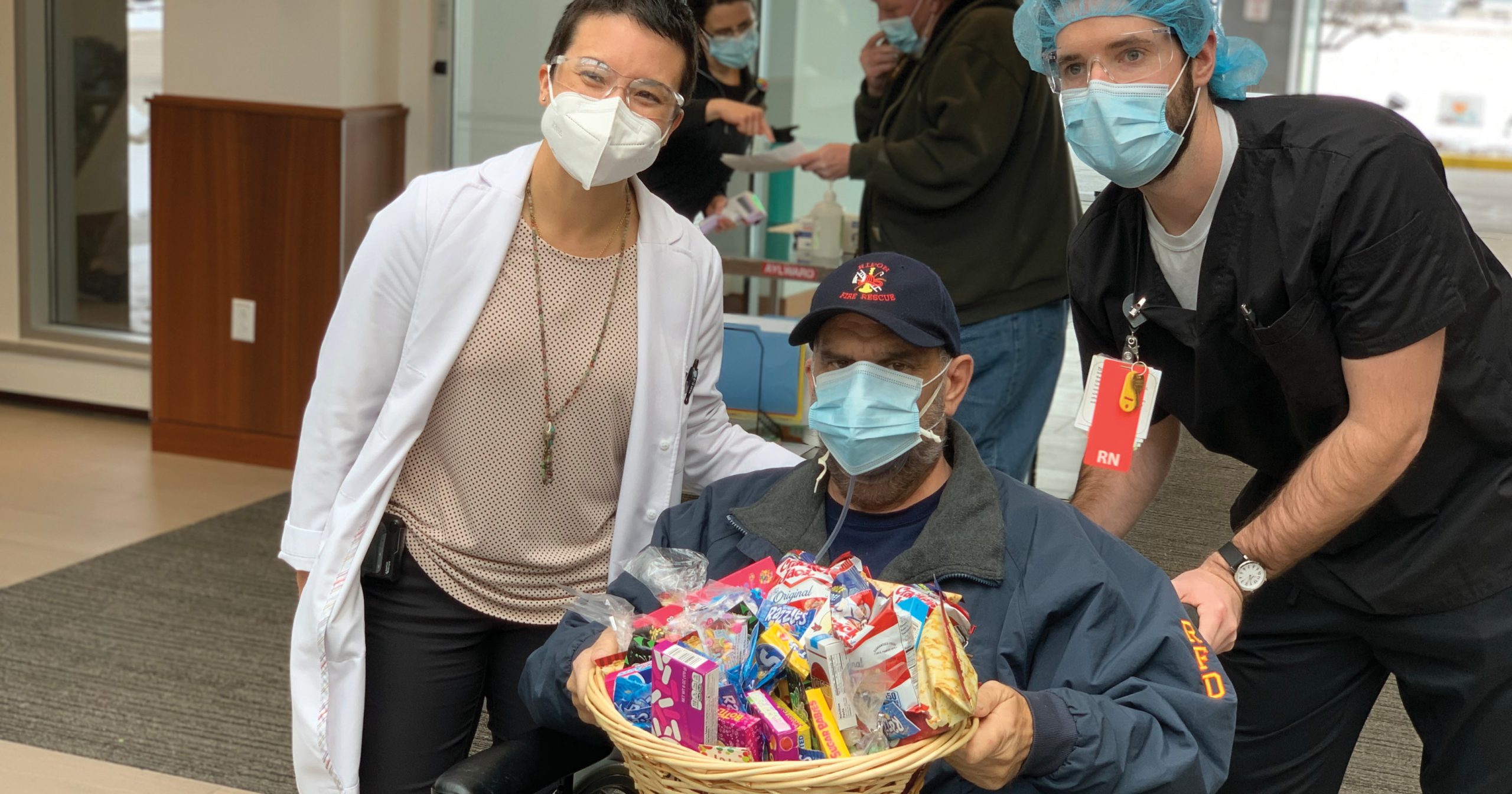
ThedaCare has adjusted its focus as the pandemic has gone through different stages. In the beginning — March and April of 2020 — there weren’t enough tests to meet the demand. As spring gave way to summer, the health care system opened a drive-thru testing facility on Gateway Drive in Appleton, set up mobile testing and participated in community health efforts. It also created a community education program reminding people to wear masks, maintain social distance and stay home if they exhibited any symptoms.
Communication was key throughout — both within the system and with the wider public — as the knowledge about the virus evolved. Dr. Mark Cockley, ThedaCare’s chief clinical officer, says the pandemic is about more than health care.
“We created a lot of community partnerships,” he says. “For example, we worked with United Way’s 211 service to provide information. With child care centers and schools closed, we worked with the Boys & Girls Club and the YMCA to provide care for our employees’ children. We even worked with some in the hospitality sector so caregivers could have a place to stay if they needed to be quarantined and didn’t want to affect their families.”
About a year ago as the first vaccines were approved, ThedaCare offered vaccine clinics and participated in a community-wide clinic at the Fox Cities Exhibition Center to vaccinate as many people as possible. Now as recommendations come out that many people may need a third COVID shot, the goal remains to help as many individuals as possible.
“To provide care, nothing was off the table,” Andrabi says. “We pivoted from in-person visits to virtual visits and put more resources into Ripple, an interactive health management tool.”
During the pandemic, there have been a lot of ups and downs as various surges have arrived in the area. But unlike previous surges, such as earlier this year, there’s now something people can do to stop COVID from spreading — get vaccinated, Andrabi says. “We owe it not only to ourselves but to our fellow community members to get vaccinated.”
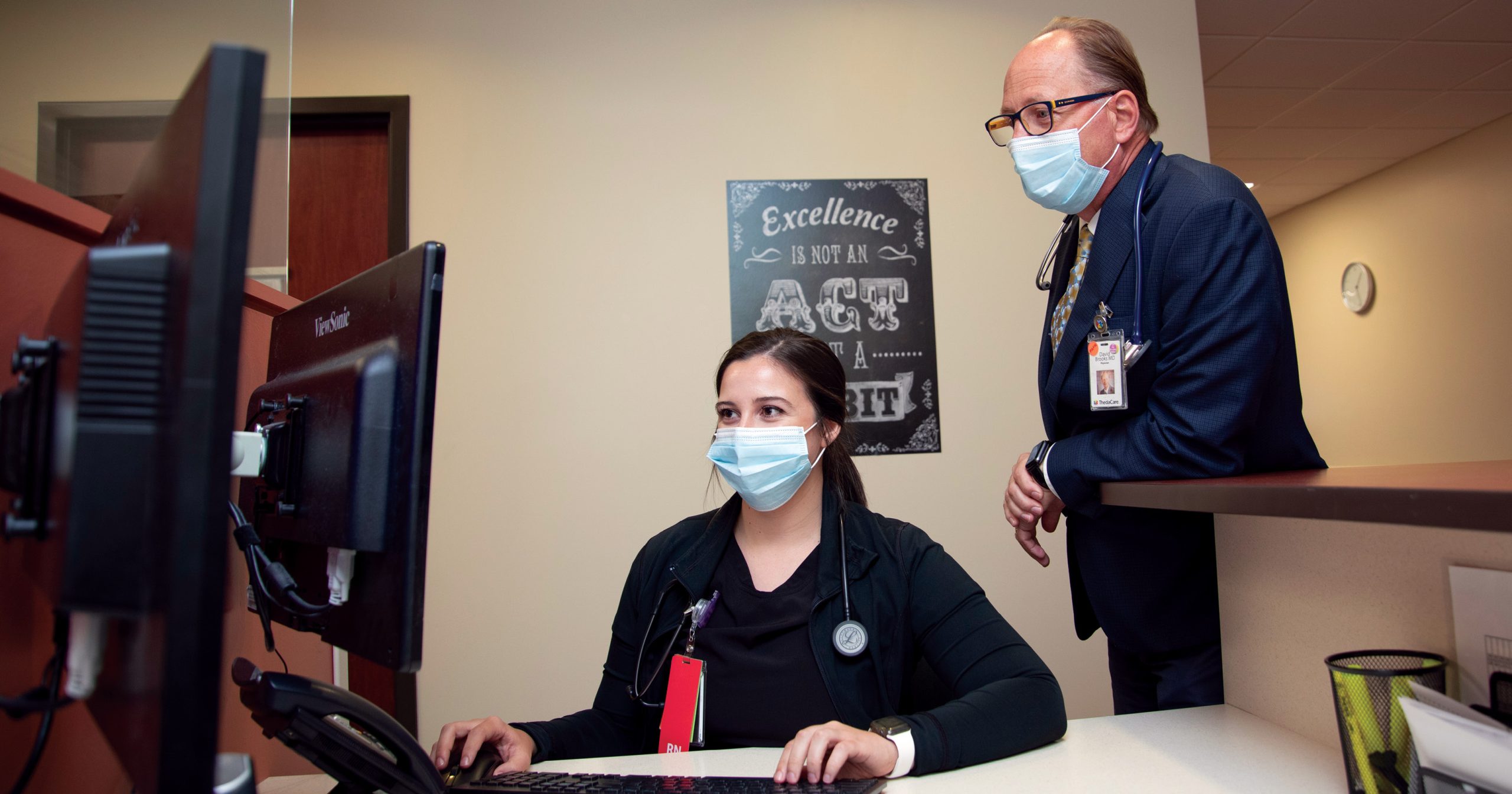
Caring for the caregivers and making sure they have what’s needed to treat patients has been paramount throughout the pandemic. “Our employees have been through a lot. They are fatigued and tired, but they’re still going above and beyond,” says Andrabi, adding many health care workers have left the industry because they’re burned out.
To alleviate some of the stress on caregivers, ThedaCare launched a program this fall where salaried employees provide care in a clinical setting. Depending on the employees’ abilities, they can select from four roles. Once employees choose a duty and time, they receive details in advance of their shift so they know what to expect. In addition to making beds like Andrabi did, other examples include assisting with housekeeping duties, stocking and running supplies, helping patients order meals and collecting or distributing meal trays.
Employees with a clinical background can provide direct care to patients. That’s the position Jackie Anhalt, ThedaCare’s chief nursing officer, found herself in. She signed up for a shift at ThedaCare Regional Medical Center-Appleton where she used her nursing skills to help caregivers at the bedside and patients in the hospital’s oncology unit.
“I put on my scrubs, and it brought back many memories,” she says. “I have always believed in the saying, ‘once a nurse, always a nurse.’ You know, we have a lot of experienced staff members, but this is the first pandemic all of us are dealing with.”
As chief nursing officer, Anhalt oversees and coordinates nursing operations throughout ThedaCare, which has more than 2,000 nurses on staff. In that role, she knew nurses were under a lot of stress — not only taking care of COVID patients, but all the other patients, who needed treatment for chronic diseases, regular screenings and physicals.
Some patients put their health care needs on hold during the pandemic, and Andrabi says that has led to an influx of people now seeking care, which further stresses staff members.
“Maybe someone with high blood pressure or diabetes missed appointments that monitored their conditions. Now that they’re being seen, their problems are a lot worse,” he says. “The same goes for regular health screenings like colonoscopies or mammograms. Now it’s a game of catch-up.”
Looking to the future
Before anyone heard of COVID-19, leaders of ThedaCare and Neuroscience Group in Grand Chute saw a way to join together to create a new orthopedic, spine and pain center. Visible from Interstate 41 in Appleton, it’s next to Encircle Health and the ThedaCare Cancer Center.
The idea for the center came out of work ThedaCare was doing to create a more holistic, high-quality health system that keeps costs in line and creates value for its patients, Andrabi says.
“We wanted to make it easier, so patients don’t have to travel to multiple locations. We can provide improved, seamless care with the hospital, rehab, OT, PT, diagnostics and keep everyone on the same (medical record) platform,” he says. “It was designed very intentionally.”
The 230,000-square-foot ThedaCare Medical Center-Orthopedic, Spine and Pain (OSP) will include a medical office building, a specialty surgery center, an orthopedic and spine hospital, and support services for total patient care. The hospital’s operating suites are designed for and dedicated to orthopedic and spine surgery, and the center includes 25 inpatient beds and support services, including imaging, lab and pharmacy.
“The goal is to make exceptional care effortless for patients and families by understanding individual needs,” says Dr. Randall Johnson, a neurosurgeon at Neuroscience Group and spine surgery medical director at ThedaCare. “The design plan was intentional, ensuring patient care will be comprehensive and coordinated through evaluation, diagnostics, surgery, rehabilitation and pain management.”
Miron Construction Co., Inc. began construction on the project in August 2020 with completion expected by late summer 2022. Providers, nurses, and ancillary and support staff all played a role in the project design, says David Corso, OSP vice president.
“When designing the center, we were focused on the well-being and convenience of patients and their families in a comfortable, soothing environment with high-end amenities,” he says. “We’re creating the future state of providing spine and ortho care. These are services that will continue to grow.”
Corso says the center includes a simulation apartment that allows patients and their families to complete therapy to prepare for life after they are discharged. Patients can practice what it’s like to use a kitchen or bathroom after surgery. “It will help them feel comfortable once they return home,” Corso says.
Cockley says telemedicine is also a part of OSP, with certain rooms set aside so providers can see patients who live outside of the Fox Cities. “We want to provide convenient care, and if we can save patients time and money by doing a virtual visit instead of having them come here, we will.”
The new OSP isn’t the only capital investment ThedaCare is making in its facilities. In late October, the health care system announced plans to invest $100 million at ThedaCare Regional Medical Center-Neenah to enhance and expand services. The ThedaCare Foundation-Neenah is actively raising $15 million for the project.
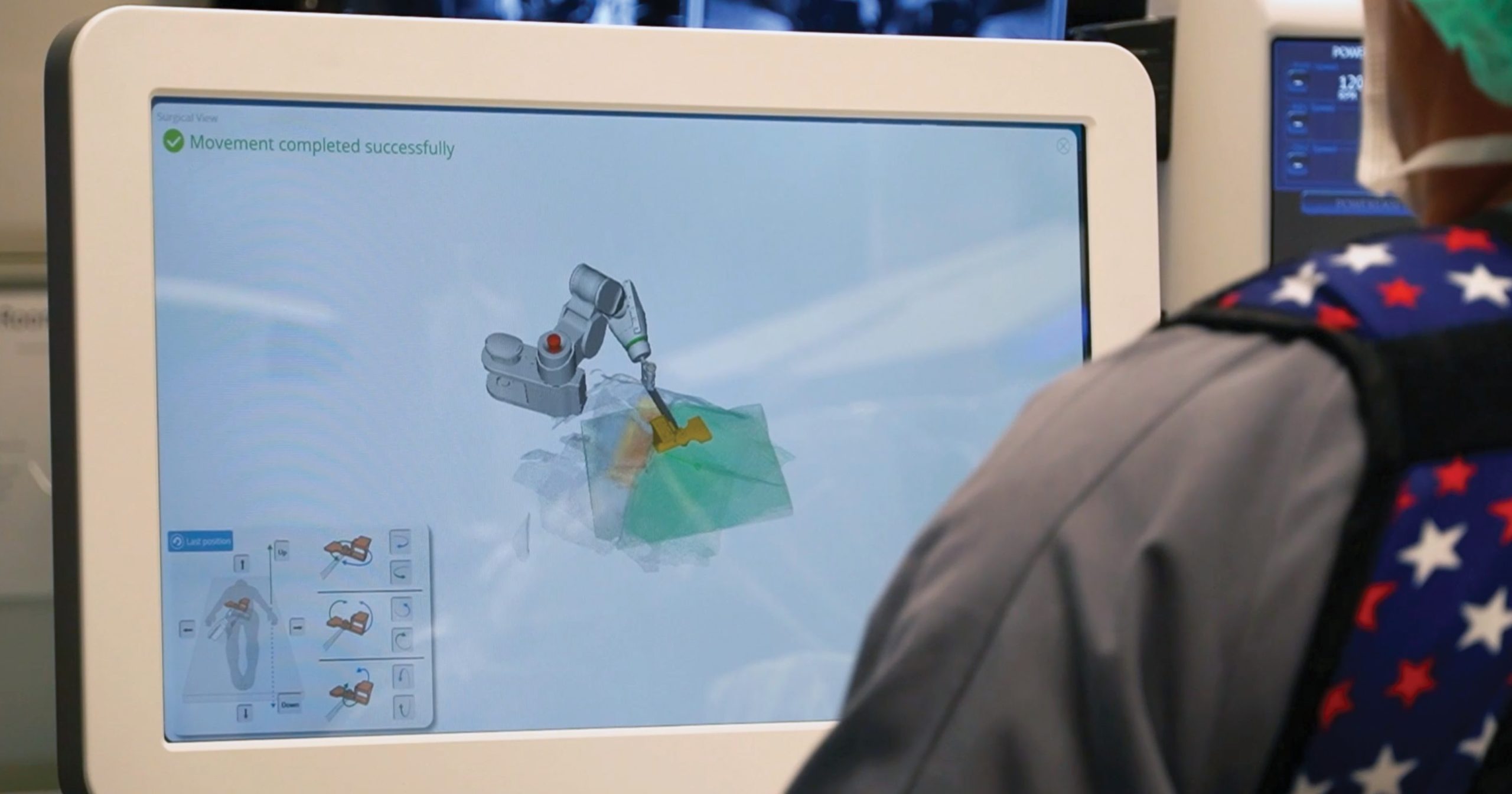
The updates include expanding and redesigning the emergency department and creating an additional ThedaStar Air Medical helipad adjacent to the ER; enhancing the specialized spaces to care for stroke patients; updating operating rooms to include advanced robotic surgical equipment; renovating the Family Birth Center; creating a new environment for the Women’s Center, which includes mammography, diagnostics and bone density testing; improving and expanding access for behavioral health, including the reopening of a day treatment area; creating a “main street” where key diagnostic outpatient services will be located on the first floor to include easier access; and designing a new dining area on the main floor.
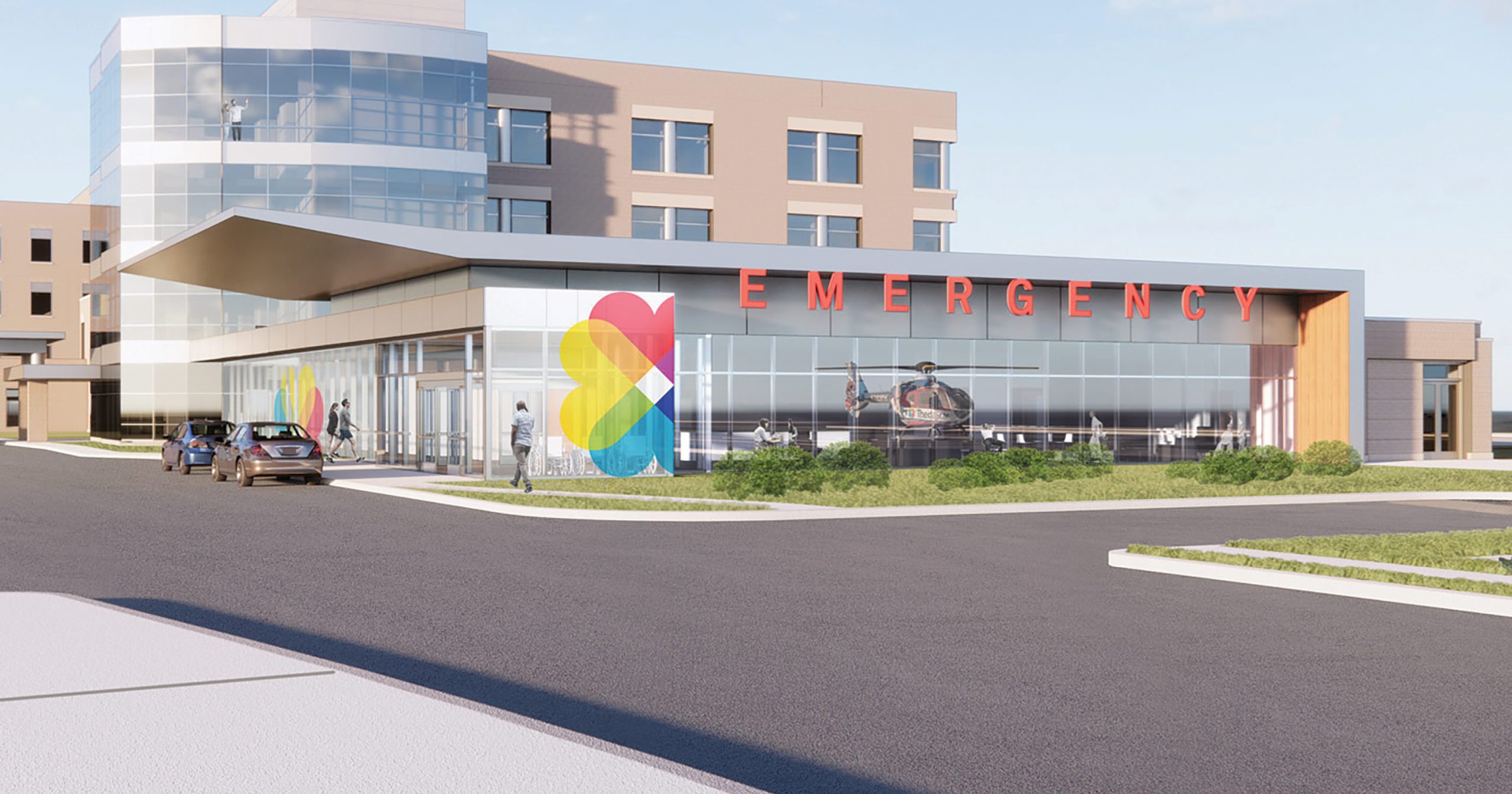
Construction will begin next month, with project completion by the fall of 2023. As with the OSP, the design was developed with patients and employees in mind, Andrabi says. “The enhancements will advance coordinated care throughout our service area, including our critical access hospitals, giving patients greater access to innovative and specialized care as close to home as possible,” he says.
Another key component of the updates at the Neenah hospital is the creation of space to house a graduate medical education (GME) program, which will provide formal education and training for medical doctors and doctors of osteopathic medicine. GMEs are commonly referred to as residencies or fellowships. The Neenah GME will be the first one in Wisconsin outside of Madison or Milwaukee.
“The investment can benefit the entire region, with an opportunity for future caregivers to obtain professional development and experience in our communities, and, with hope, encourage them to make a home in the Fox Cities,” Andrabi says.
Ultimately, Andrabi says his goal is to provide 95 percent of the care patients need in the region. “As a regional health system, that’s something we should be able to do,” he says.