
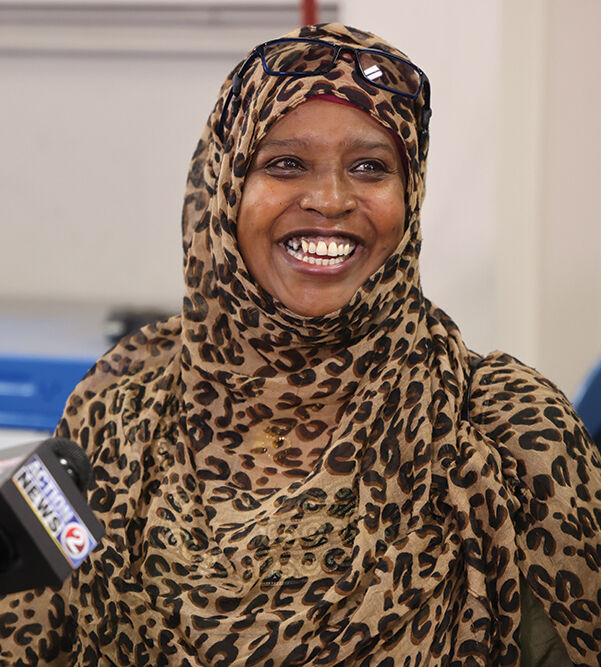
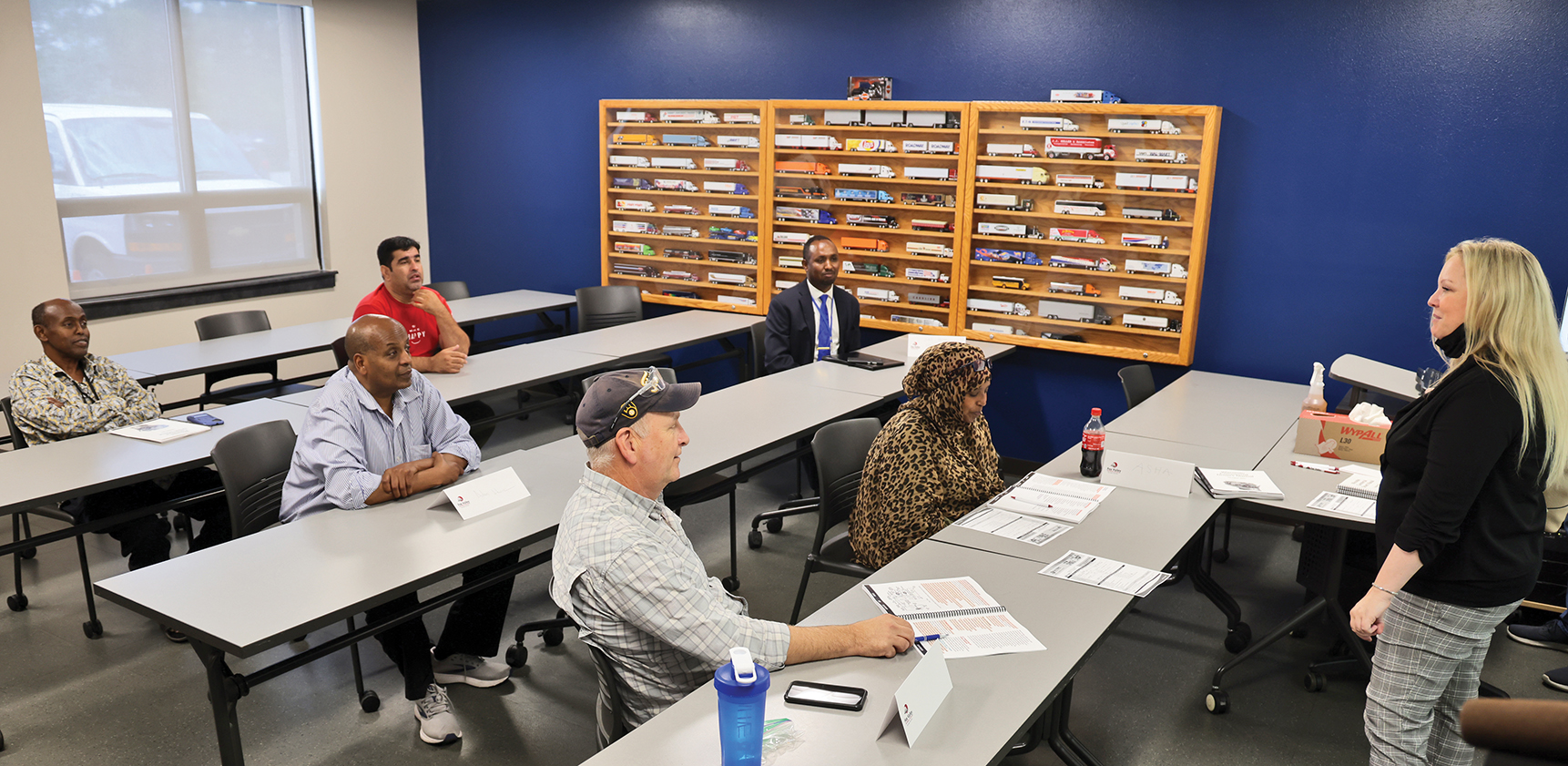
Asha Hirsi, a refugee from Somalia, stands no more than 5 feet tall, but soon she will be behind the wheel of a big rig earning a commercial driver’s license through a customized truck driver training program at Fox Valley Technical College.
Inside the J.J. Keller Transportation Center at FVTC on her first day of training, Hirsi’s eyes gleam. “I can’t wait to get behind the wheel,” she says. “I think it will be very exciting that day.”
When you are forced to flee your home country and start over in a foreign land, not much intimidates you, even maneuvering an 80,000-pound semi-truck.
Hirsi is one of six refugees in Northeast Wisconsin currently working toward family-sustaining employment in the transportation industry through the Hidden Talent Project, a specialized training program by the Bay Area Workforce Development Board and its partners.
The project, funded with more than $1.6 million from the Wisconsin Department of Workforce Development, connects underrepresented populations with untapped potential, including refugees like Hirsi, with programs designed to assist them in reentering the workforce or improving their current employment situations.
Whether state-sponsored programs like the Hidden Talent Project or employer-based initiatives, programs like these are offering employers and refugees in Northeast Wisconsin a win-win — employers are able to fill gaps in their workforce, while refugees obtain secure employment and self-sufficiency.
“Companies need talent and have great jobs with benefits. There are amazing people all over the world looking for better opportunities — why don’t we match them together?” says Ann Franz, executive director of the Northeast Wisconsin Manufacturing Alliance. “We know we need more people living in Wisconsin, and we need to look at all opportunities with both individuals from different states as well as different countries.”
Hirsi says having the opportunity to find a job in the transportation industry will be the fulfillment of a longtime dream.
“If you have heart and you love it, you can do it,” she says.
Refugees in Northeast Wisconsin
Tami McLaughlin is the director of World Relief Fox Valley (WRFV), the only refugee resettlement agency in the Valley. Since the organization was founded in 2012, it has resettled more than 1,300 refugees in the area.
The Fox Cities Leading Indicators for Excellence (LIFE) Study reports that between 2016 and 2020, more than 300 refugees came to the area from Congo, with smaller numbers coming from Burma, Iraq, Syria and Afghanistan.
Congolese refugees account for the largest refugee population in the Fox Valley, McLaughlin says, but recent world events have caused some changes. After the Taliban’s takeover of Kabul in August 2021, violence in Afghanistan intensified and, in the weeks that followed, roughly 124,000 civilians were evacuated in a U.S.-led airlift.
According to the Department of Homeland Security, as of February more than 76,000 Afghan nationals have been resettled in communities across the country, with 820 landing in Wisconsin.
As a result, WRFV received an influx of Afghan refugees between October 2021 and February 2022. In January alone, McLaughlin says WRFV resettled 83 Afghan refugees — about four times the number in a typical month. The increase caused Afghans to become the second largest refugee population locally, with nearly 200 individuals resettled.
McLaughlin recalls one of the last groups of Afghan refugees she greeted on a cold February night.
“I was so tired,” she remembers. “We had a firehose of arrivals that happened so quickly, and trying to find housing…it was a tough resettlement. It was in the evening, and I just wanted to go home.”
Nevertheless, McLaughlin trekked to the Appleton International Airport to meet her newest clients. Several refugees arrived on that flight, including one man who got off the plane, made his way through security and upon reaching McLaughlin, said, “Thank you for being here. We have nothing left.”
His words felt like a punch in the gut.
“I was embarrassed that I had been complaining to myself about being tired in the midst of such tragedy in their lives. You forget what they’re leaving,” McLaughlin says. “That gentleman left a family behind, left a business behind, and came here with nothing. Hopefully as Americans we never have to face any of those conflicts that cause us to become refugees.”
Securing stable employment is a key milestone for many refugees on the path to self-sufficiency in their new homes. But despite persistent labor shortages, it’s not an easy process for refugees to find jobs. They struggle to navigate work authorization forms, language barriers, transportation challenges and cultural differences, WRFV Employment Specialist Nicole Gerow says.
Gerow typically meets with employable adults within their first 10 days of arrival to discuss work skills, interests and goals with the objective of connecting individuals with employers somewhere between 30 and 90 days of arrival.
“Usually they want a job right away, but we give them time to settle in and take a breather,” Gerow says.
Employers contact WRFV weekly, Gerow says, looking for workers to fill their open positions.
“There are more jobs right now than there are people who want to work them,” she says. “I probably get emails every week from employers looking for people or trying to think differently [about hiring strategies] because they can’t hire the workforce they need. Our clients are very willing and eager to work, learn English and be part of the community.”
Green Bay-based BelGioioso Cheese has hired several refugee employees in general packaging and production roles.
Adam Parker, human resources coordinator, says less than a year later, a number of BelGioioso’s refugee employees are already assuming line leader positions.
“Their hard work and dedication pays off,” he says. “Refugees help fill important roles in our factories. They want to be here and work hard, so it’s a two-way benefit. We have a duty as employers to help anyone who is looking for good employment. We are happy to be part of it and help individuals and also be successful as a company.”
Project Ally
Ramish Majidi is a 27-year-old Afghan refugee who arrived in Wisconsin last January and worked with WRFV on his resettlement. Majidi arrived with his wife and brother, leaving his parents and younger sister behind in Afghanistan. He also left behind a promising career in the U.S. Embassy, where he worked as an administrative assistant.
“I knew I would come to the U.S. one day, but not in this situation. Coming in this situation was difficult,” he says.
Majidi, who holds a bachelor’s degree in English language and literature, was hired as an interpreter by Amcor Flexibles North America, a packaging manufacturer in Oshkosh.
“Amcor has not been immune to the staffing challenges that have plagued the U.S. by any means,” says Matthew Bray, human resources director. “We recognized that the [recruitment] actions we were taking were not driving the results we needed to support the business. We knew we had to do something different.”
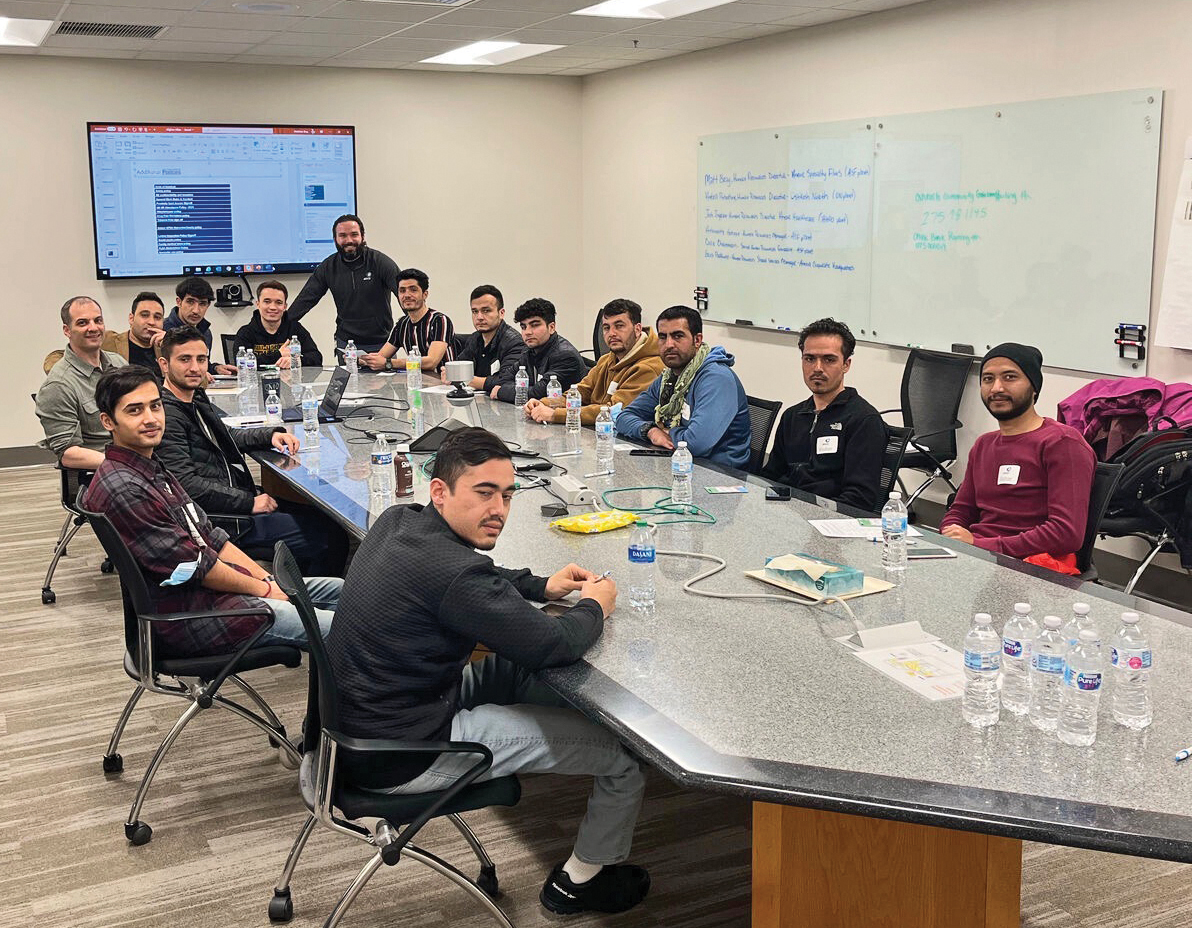
In February, Amcor brought in two groups of 12 Afghan refugees for site visits through a partnership with WRFV. The refugees participated in a plant tour, received an overview of the company and available job openings, and took part in a question and answer session.
“Quite candidly, we didn’t know what to expect, but that visit was nothing short of inspirational,” Bray says. “The respect, the attentiveness and the questions asked by the refugees was like nothing we’d ever seen before. We knew at that point we needed to do whatever we had to to make this work.”
This was the start of Project Ally, Amcor’s refugee employment program that has successfully onboarded more than 60 refugees in its first six months. Majidi, who is now a training coordinator at Amcor, helped facilitate the Afghan refugees’ orientation and training in his role as an interpreter. He has worked to interpret Amcor’s hiring and training documents into the two national languages of Afghanistan: Dari and Pashto.
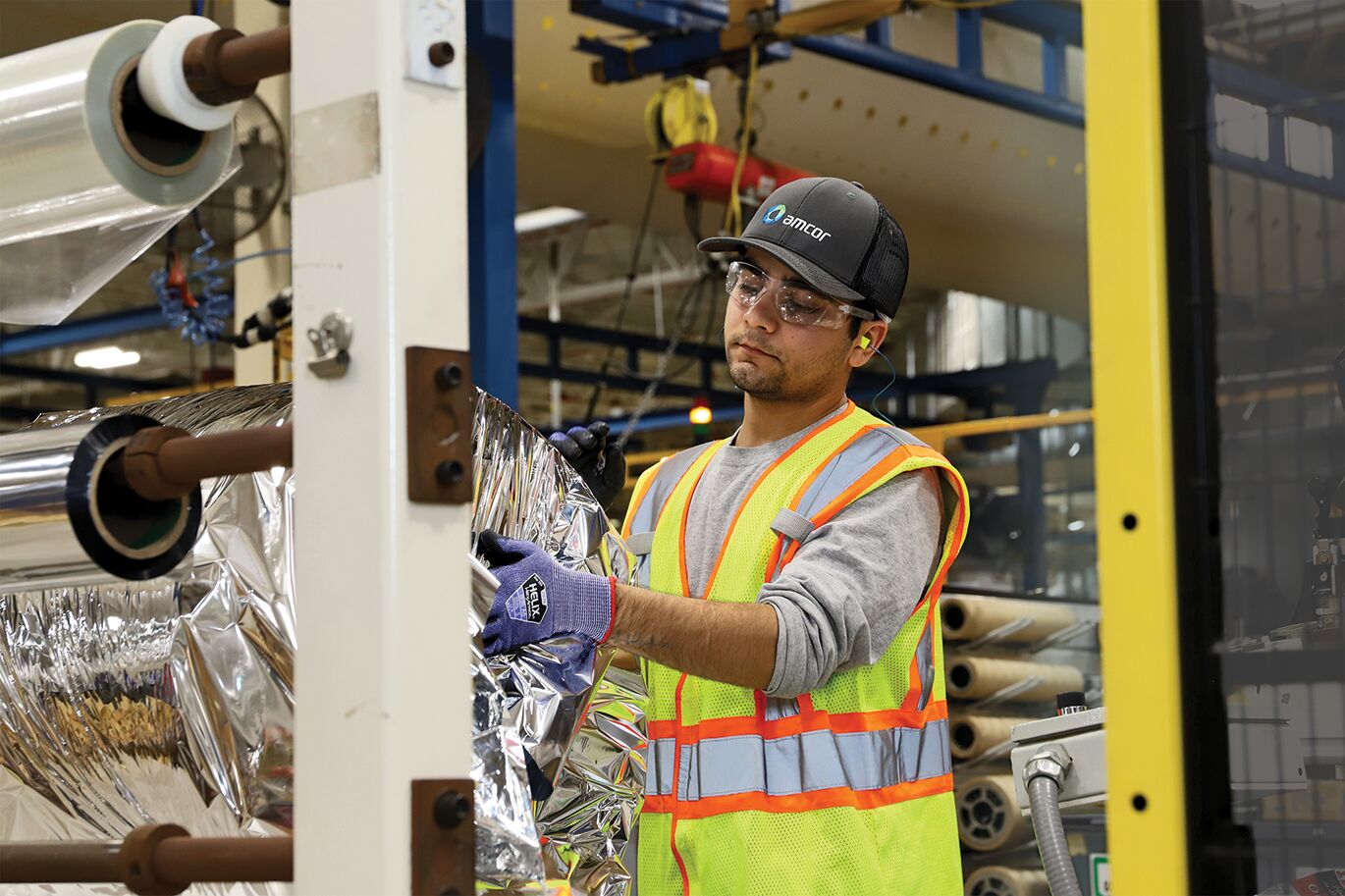
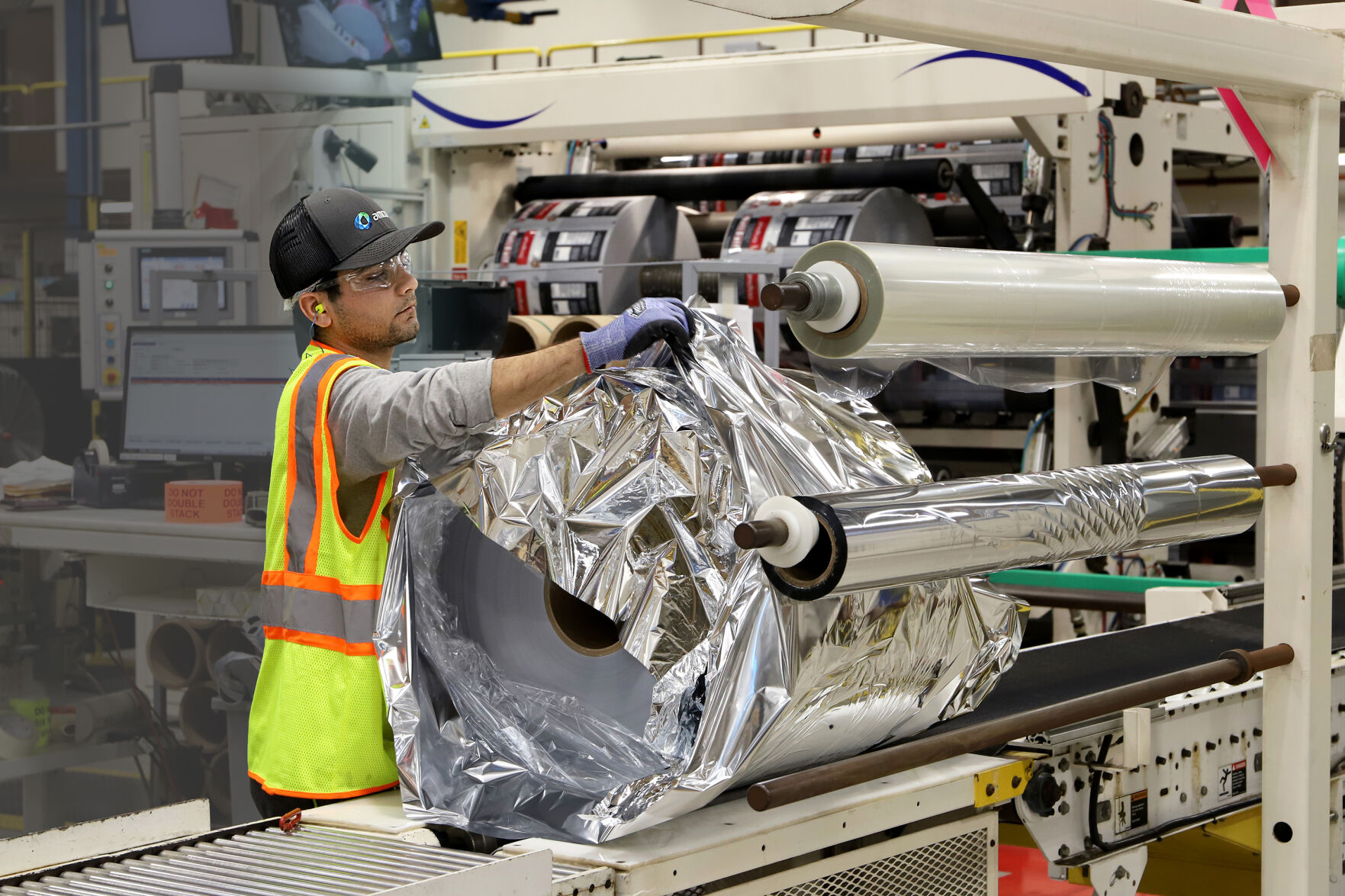
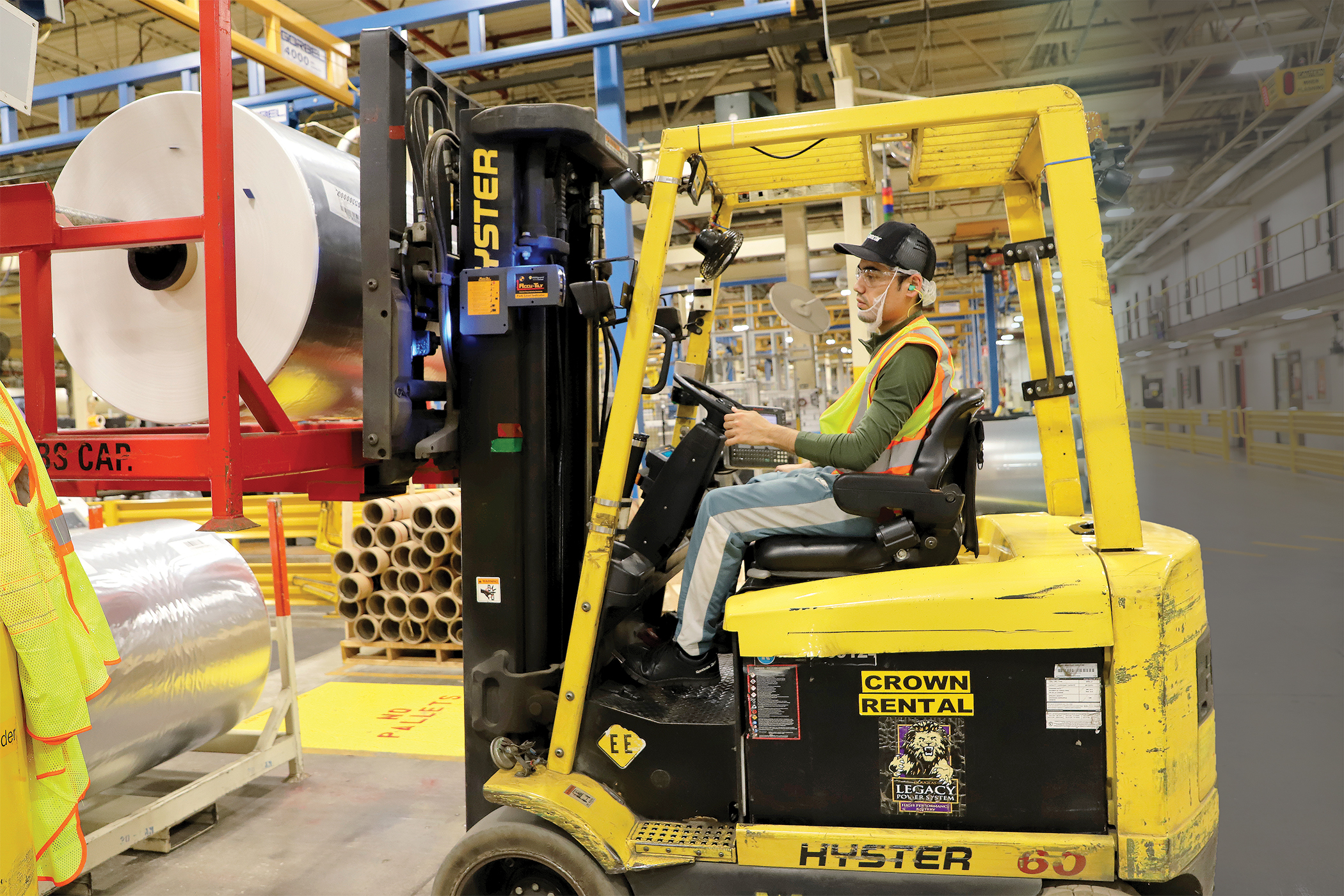
Refugees have filled primarily entry-level manufacturing positions, which include tasks such as wrapping and palletizing rolls, parts washing and setup in the press department, operating forklifts and pallet jacks, and performing quality tests. Bray says they have seen a 66% reduction in turnover when comparing refugees to non-refugee employees.
“I don’t think anyone recognized the level of talent the refugees would provide. On our production floor we have a dentist, a journalist, small business owners, soldiers, mechanics … the skills and experience these refugees provide run the gamut,” he says. “The misconception that refugees are unskilled labor is not the case at all.”
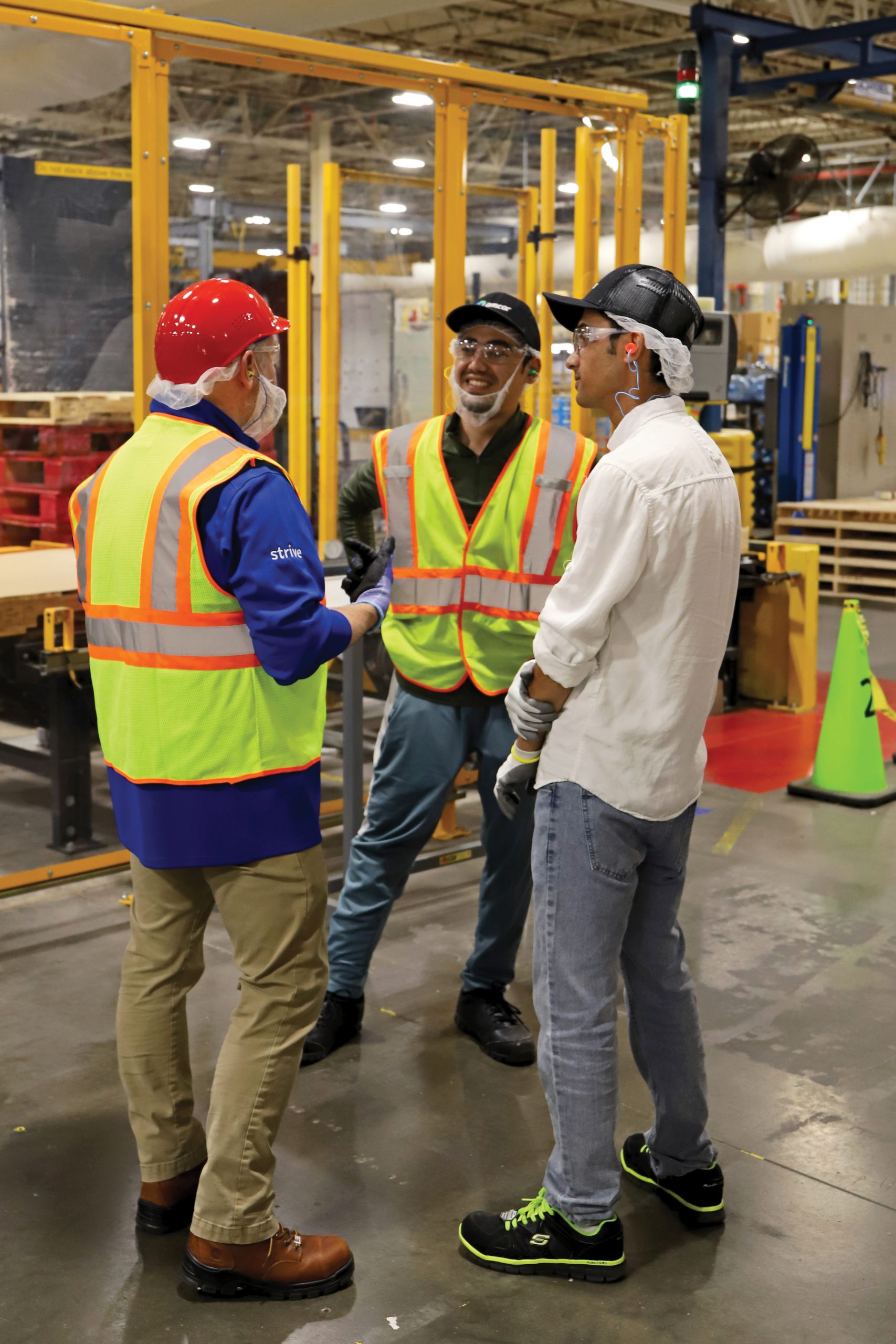
Amcor’s successful onboarding of refugee employees was no accident. The company streamlined the hiring process, offered enhanced job training to the refugees and provided cultural training for the existing workforce. Afghan refugee employees, who are largely Muslim, were offered prayer room accommodations while on the job and assistance with transportation to work. Project Ally worked to remove common employment barriers and ensure that all employees felt comfortable and confident working as a team.
“[Amcor was] looking at each individual as a person, not just a workforce or laborer. They really wanted to do well by them,” McLaughlin says. “That’s a significant statement in the way they worked with this group.”
Franz believes taking a thoughtful approach to integrating a refugee workforce, and making appropriate accommodations, is key to successful employee retention — a pain point for many employers.
“Retention is a big focus for many companies because of the time and expense of finding candidates and onboarding them,” she says. “More so than ever before, companies are saying it isn’t enough to invest in attraction; they need to invest in retention. Amcor is a shining star of that.”

Investing in people
Despite the initial upfront investment required to hire refugee employees, Bray says the return has been worth it due to increased productivity and greater retention rates.
Franz sees other long-term advantages of integrating a refugee workforce.
“[Hiring] individuals who are not born in the U.S. helps employees get a more global world view and, quite frankly, these businesses are selling globally,” she says. “That’s the beauty of bringing people of different ethnicities and cultures together.”
For refugees like Majidi, a stable job means the start of building a new life free from persecution and violence, as well as access to other services. Many refugees integrate into their new communities through their workplaces and the relationships made within them.
“For newcomers here, finding this kind of job is a big thing,” Majidi says. “Working here, you can pay the bills, pay the rent, you can support your family back in Afghanistan. For me it means a lot. Working in this area is a big opportunity and priceless stuff.”
The Biden-Harris Administration recently announced the U.S. would admit 65,000 refugees during the 2023 fiscal year that begins Oct. 1. WRFV has proposed to resettle 300 of those refugees in the Fox Valley next year.
This is good news for Bray, who says, given the success of Project Ally, refugees will remain a critical piece of the staffing strategy across Amcor.
“It’s been a phenomenal experience. This has been, hands down, the most satisfying project I’ve had in my career,” he says. “There’s very few times when doing what’s best for humanity intersects with what’s best for the business, and this is one of those opportunities.”