
Freshwater Collaborative of Wisconsin has awarded nearly $4.3 million to fund 22 projects across the University of Wisconsin System including $505,000 for a project led by UW Oshkosh’s Greg Kleinheinz.
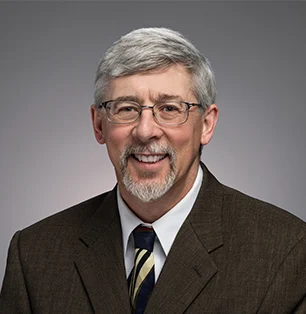
Kleinheinz is the principal investigator for a training effort at the Environmental Research and Innovation Center, where he serves as director. He also is involved in two other projects funded by the collaborative.
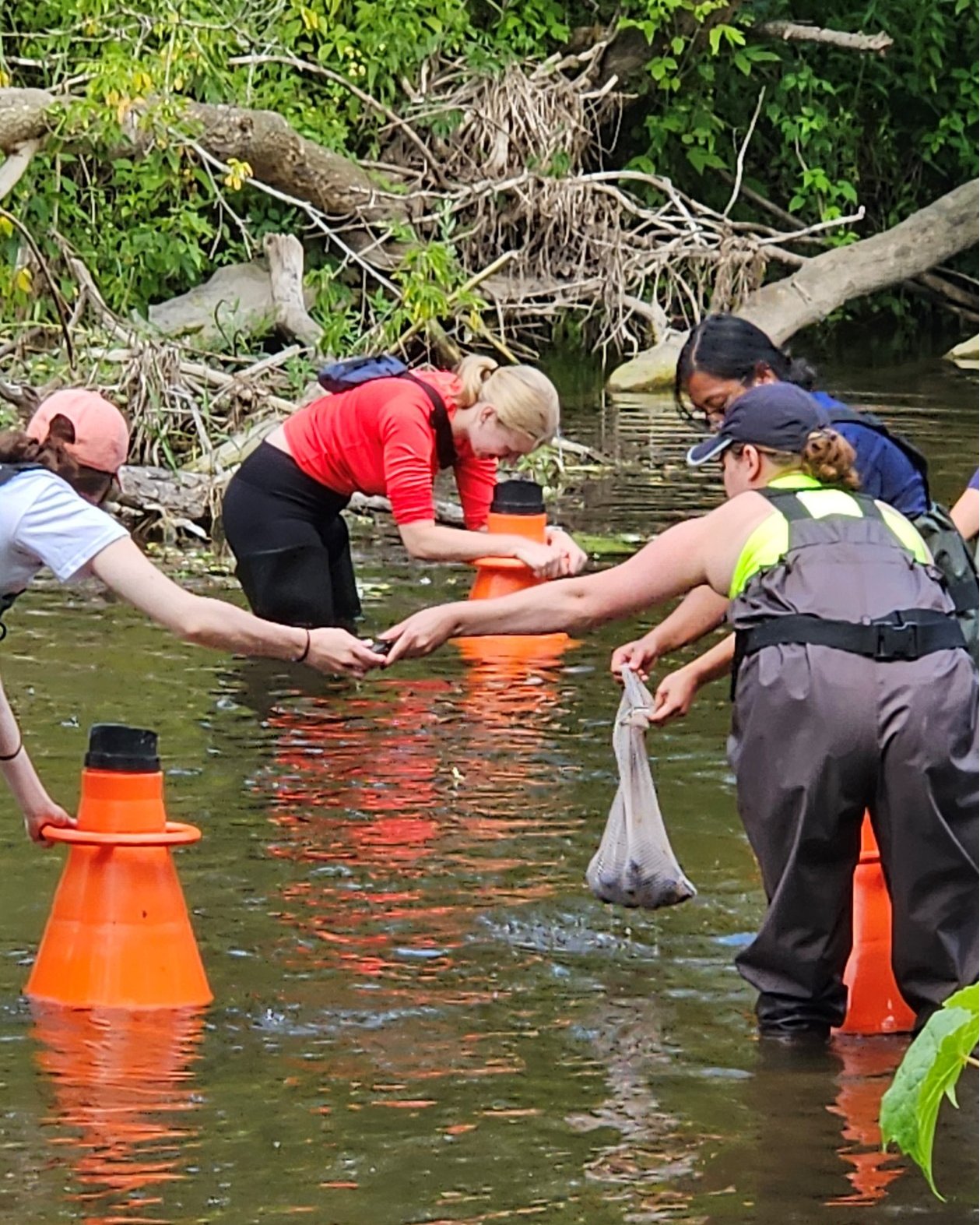
Funding will support expansion of summer research programs that allow students from Wisconsin and across the nation to conduct freshwater research at one of the UW System campuses; summer programs for high school students to educate them about careers in the water industry; and university-led research projects that help fulfill community and government agency needs for water quality monitoring.
Numerous projects will address PFAS, “forever chemicals” used in everyday products that have been shown to cause significant health issues in humans and which have been identified at high levels in drinking water throughout the state.
At UWO, Kleinheinz leads the $505,000 Comprehensive Freshwater Collaborative of Wisconsin Training, Community Engagement, Business Enterprise, Research and Recruitment Program, which offers student training opportunities at ERIC.
The partnership allows students from any UW campus the opportunity to work at ERIC field research sites (or take a field course) each summer, which embeds students in communities to study surface, well and groundwater.
Funding will allow for an on-campus STEM high school camp in summer 2024 (20 high school students); provide resources for faculty-student research and student-industry projects; expanded opportunities through the UW Oshkosh Freshwater 101 course; partial support for a summer field sampling and analysis course open to all UW students; and continued access to a research and teaching boat on the Lake Winnebago system at no charge to Freshwater Collaborative partners.
Kleinheinz and ERIC staff Carmen Ebert and Hannah Seefeldt also are involved with two additional Freshwater Collaborative projects:
- $11,400 awarded for Continuation and Expansion of the Red Cedar Watershed Monitoring Project. The Red Cedar Watershed experiences frequent blue-green algae blooms due to phosphorus pollution. Numerous projects have been implemented to reduce runoff and restore stream channels and buffer areas. Students from UWO, UW-Eau Claire, UW-River Falls and UW-Stout will work during the summer to survey streams, riparian corridors and wetlands and monitor Lakes Tainter and Menomin. Data will help guide management decisions regarding the Red Cedar Watershed and serve as a model for other similarly impacted watersheds throughout the region.
- $5,560 for Freshwater Science Across the Curriculum: Linked Outreach and Advanced Educational Activities in Western Wisconsin. An ongoing project to support two freshwater science field courses in western Wisconsin: one targeting junior and senior high school students and the other an advanced course designed for upper-level college students. These field-intensive, hands-on learning experiences introduce participants to a wide range of freshwater science topics with specialists from UWO, UW-Eau Claire, UW-River Falls and UW-Stout. Courses are open to students enrolled in high schools across Wisconsin or from any UW System campus, respectively.
“The most exciting thing about this latest round of funding is seeing how programs are becoming more interconnected. For example, high school students attending a summer camp in western Wisconsin are interacting with undergraduate students and faculty who are working on other Freshwater Collaborative–funded projects throughout the state,” said Marissa Jablonski, executive director for the Freshwater Collaborative of Wisconsin. “We can really see how these connections are building a pipeline from college recruitment to jobs in freshwater in Wisconsin.”
The funding is part of a statewide initiative, backed by the Wisconsin State Legislature and Gov. Tony Evers, to tackle Wisconsin’s grand water challenges and support curriculum development, undergraduate research opportunities, career development and field training experiences for students interested in studying water-related fields at the 13 UW universities.