

It takes a village
While pollution in the Fox-Wolf Watershed was historically caused by industry, today the biggest threat to the watershed comes from land — both agriculture and shoreline property, Schultz says.
“The biggest threat we have to our waterways right now is sediment, which is dirt and phosphorus,” she explains. “When phosphorus gets in our waterways, it feeds the algae. We need to keep those nutrients and soils on the land.”
Individual action is a great way to support the cause, Schultz says. In the wintertime, use less salt on walkways and shovel more often. In the spring and summer, sweep your grass clippings back into the yard so they don’t end up in storm drains. In the fall, keep leaves out of the gutter and mulch them on your lawn. Businesses can divert water from their parking lots into stormwater ponds or basins. Consider joining the nearly 2,000 volunteers who will participate in the alliance’s annual watershed trash cleanup event May 2.
“We’re asking people a half mile, a mile, 10 miles from the waterway to protect a resource they might not feel connected to,” Schultz says. “I challenge people to find a way to get in our waters and appreciate them.”
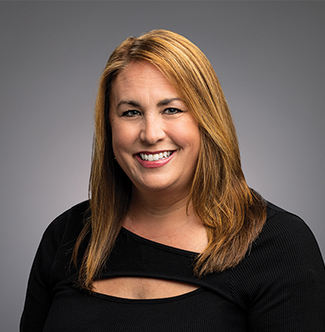
Growing up in Little Chute, the canal across the street from her house was something to which Jessica Schultz never gave any thought.
“I never swam in the Fox River,” she says. “I never thought about why I didn’t swim in the Fox River; I just didn’t swim in the Fox River.”
And now, as executive director of the Appleton-based nonprofit Fox‑Wolf Watershed Alliance, Schultz thinks about rivers every day. She is proud to say her children have swum in the same canal that was, and in many cases continues to be, overlooked by locals. She was never an environmental activist, Schultz admits; environmentalism found her.
Seventeen years ago, Schultz was looking to get back into the workforce after spending four years as a stay‑at‑home mom. Her dad found and shared with her a part-time job opportunity with the Fox-Wolf Watershed Alliance that was nothing like her previous roles in human resources; it was focused on technical issues around stormwater runoff she’d “never thought about a day” in her life, Schultz admits. But her father saw her as a good fit, and something about the role called to her. She believed she could leverage her people skills to help FWWA’s watershed experts and advocates better connect with the community.
So she applied.
In 2009 Schultz became a part‑time employee, joining just one other employee — a 5-hour-per-week administrative specialist — in service of a board of “mostly engineers.”
The alliance, which is celebrating its 35th anniversary in 2026, “fell asleep for a few years,” Schultz says, and was at its groggiest point when she came aboard, focusing almost exclusively on urban stormwater projects that are critical but just one sliver of the watershed pie.
“We’ve been able to get it back to where it should be,” she says — meaning FWWA now employs nine on a full-time basis for a purview that includes conservation; agriculture; aquatic invasive species; and shoreline, streambank and wetland restoration. The organization is funded by a combination of contract work, membership dues and grants. Some of its federal grants were terminated last year, but many also come from the state and from private foundations, Schultz says.

One of Schultz’s proudest accomplishments as the alliance’s leader has been regional coordination. The Winnebago Waterways recovery program was created to engage public officials in Calumet, Winnebago, Fond du Lac and Waushara counties; the Lower Fox recovery program does the same for Oneida Nation and Outagamie and Brown counties. Helping seven municipalities pull in the same direction on water quality has been a major feather in FWWA’s cap, Schultz says.
“Everyone can go out and do their own things, but if we coordinate together we’re going to see progress faster and build more support,” she says. “The waterways we have here are so valuable to our region. We need to own them locally. We need to protect them locally. We can’t rely on the federal government or even the state. This is our water. Let’s own it, protect it and benefit from it.”
Schultz says everyone in the region has a “why” when it comes to protecting water quality. First and foremost is the universal “why” that is quality of life. The Lake Winnebago System has seen a rebirth following decades of pollution remediation efforts. The waterways that were once critical to commerce because of their transportation advantages now benefit the business community in different ways — including talent attraction and economic development. As FWWA’s executive director, Schultz sees her role as connecting the dots and spreading awareness.
“We’ve seen tremendous change in recent years, where communities are once again building to face the water,” she says. “We are all benefitting from that — from trail systems to the breweries and restaurants that are getting built up on our rivers and lakes. We’re benefitting from the work that has been done to restore our waterways, but now we need to make sure we’re protecting them from future challenges.”