

Two satisfied parties and the diversion of resources from the court system is almost always considered a win-win-win. And as nonprofit community mediation centers expand their reach in Northeast Wisconsin, businesses and community volunteers are seeing new opportunities to be added to the winning equation.
For decades, such centers have been quietly saving millions of dollars by diverting cases from the U.S. court system, mostly by order of the courts themselves, and resolving conflicts alternatively, with success rates averaging between 60 and 80%, according to Gitnux. Resolution Center, Inc., which was established in 1990 and encompasses the Winnebago Conflict Resolution Center and Fond du Lac Conflict Resolution Center, mediated 575 cases from those two counties’ courts last year alone, says Executive Director Kate Zurn.
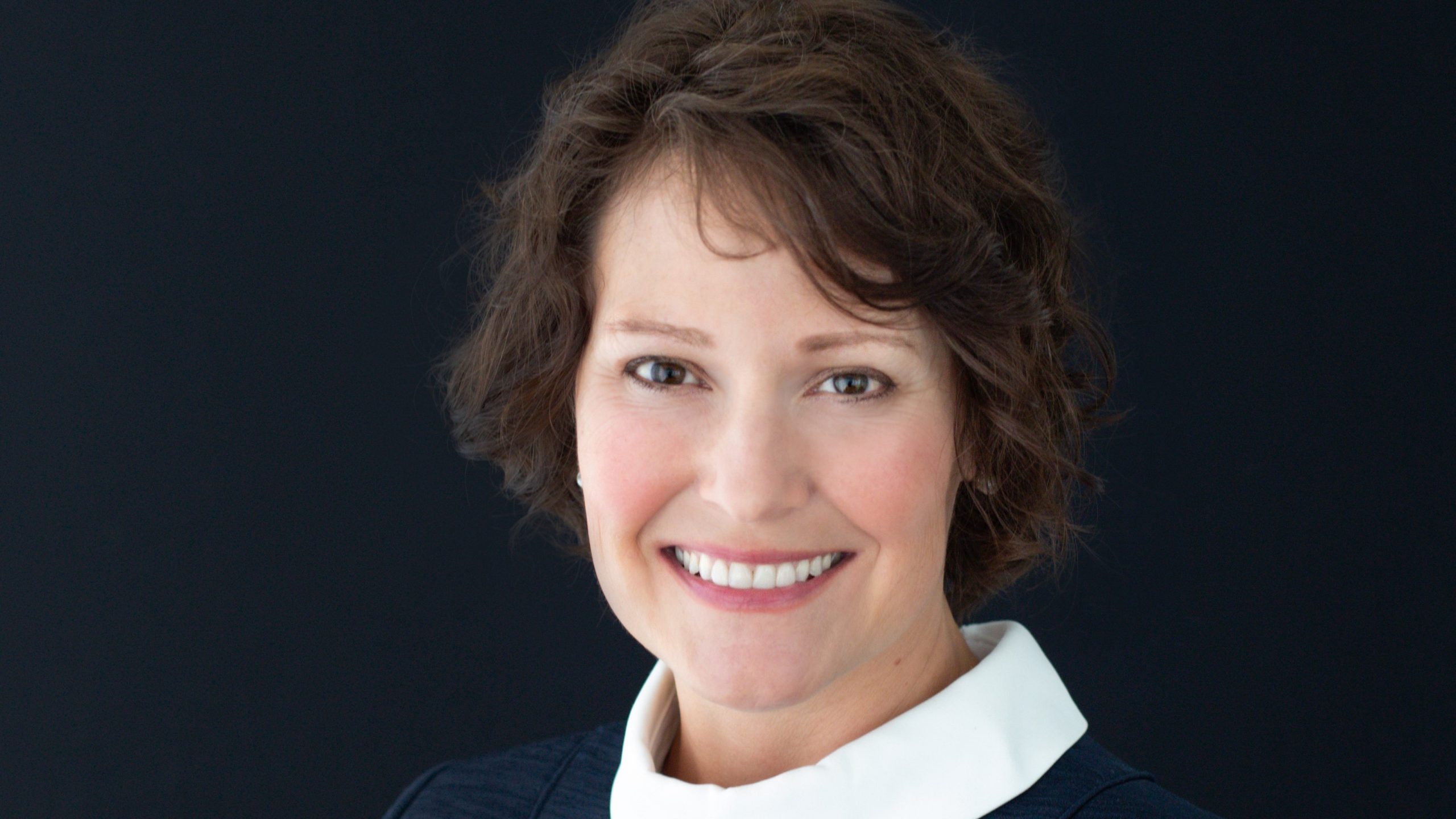
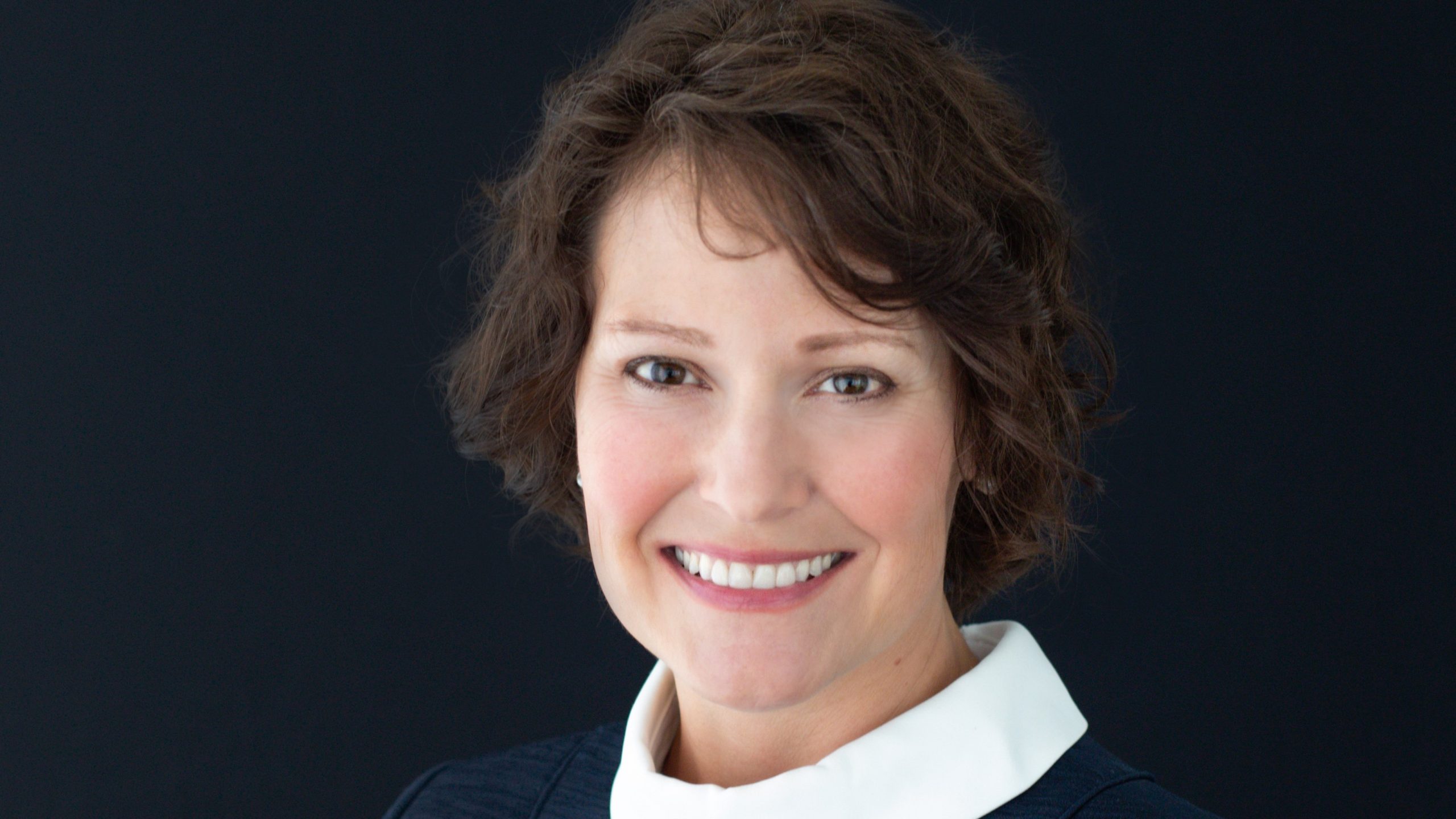
The opportunity to create “win‑win‑win” scenarios in cases of small claims and evictions is what inspired Jennifer Sunstrom to help create a similar organization in Outagamie County, which will begin serving the community this fall. The Outagamie County Conflict Resolution Center joins Resolution Center, Inc. and the Mediation Center of Greater Green Bay to become the third such nonprofit resource in the New North region.
Sunstrom, who works as the director of public relations and government affairs for the REALTORS Association of Northeast Wisconsin, partnered with family friend Joe Guidote, the longtime corporation counsel for Outagamie County, to establish the organization. Douglas Haase was hired as its executive director this summer, and community listening sessions are scheduled for Sept. 2 (7-8 p.m.) at the Appleton Public Library and Sept. 12 (11:30 a.m.-12:30 p.m.) at Kimberly Village Hall with the goal of recruiting volunteer mediators as the center prepares to begin its work.
Sunstrom’s first experience with mediation was as a volunteer for the Green Bay Center, inspired partly by the legal issue she says has long been creating “lose-lose-lose” scenarios in the real estate industry: evictions.
“Even when you win [a court case] and the person’s evicted, you’re still kind of losing,” Sunstrom says: Landlords rarely recoup back rent that is owed, significant property damage is often incurred in eviction cases and the evicted person runs a high risk of becoming homeless.
“I think a lot of people walk out of situations or courtrooms where they won, and it’s very unsatisfying,” Sunstrom says. “Because what they really want is peace in their lives.”
The new Outagamie center will seek to bring peace by handling small claims and eviction cases from the courts, as well as voluntary cases from the public. (It will not handle family law cases, as a county resource already exists, Sunstrom notes.) This includes workplace disputes.
Zurn, a Six Sigma Black Belt who began her career as an industrial engineer and has worked for seven different manufacturing firms, says tackling more workplace cases is an area of tremendous potential for Resolution Center, Inc.
“It’s definitely a bit of an unrealized opportunity at the moment,” says Zurn, who points to three issues that primarily hold businesses back from seeking mediation services to resolve workplace conflicts: pride, fear and policy.
Pride, she says, makes individuals hesitate to ask for support. Fear of vulnerability and subtle retaliation silences voices. Policy becomes a barrier when it’s quicker to follow rules than address the specifics of a situation.
“It’s incredible; if you give people the space to just be honest and vulnerable and be empowered to solve their own problems, they can make the appeal to policy unnecessary,” Zurn says.
Zurn says a tendency to avoid conflict is something she observed during her time in industry, but “we have to think about the cost of conflict avoidance.”
Zurn says those costs include disengagement, toxicity, lack of productivity and turnover.
Zurn says her organization is always seeking new volunteer mediators. And in Outagamie County, the need for volunteers is even greater as the organization staffs up. Sunstrom says there is no particular background required to become a mediator — just an interest in serving the community and a commitment to 40 hours of training plus onboarding.
Social workers, teachers, police officers, attorneys, HR professionals and law students are among the backgrounds represented in the current Winnebago and Fond du Lac volunteer base, Zurn says.
To Sunstrom, mediation is an opportunity to seek peace, closure and understanding in an increasingly litigious society.
“The goal of any nonprofit is to work in such a way as they make themselves obsolete, right?” she says. “It’s probably not going to happen realistically, but if we [do our job] I think we will have a more peaceful society and less backlog in the court system.”