

Twelve years after eliminating its statewide film incentive program, Wisconsin is back in the creative game following the passage of the 2025-2027 biennial state budget July 3.
The news that Wisconsin will establish a state film office and offer up to $5 million annually in film production and investment tax credits is music to the ears of organizers from Action! Wisconsin, a coalition that has lobbied over the past year for the state to lose its dubious distinction as one of only four without a film office and one of only 13 to not offer tax incentives for filmmakers.
“This budget provides a great start to growing Wisconsin’s film and TV industry, strengthening our overall economy, and showcasing our state on screens large and small across the country and the world,” says Milwaukee filmmaker Katie Heil, founding member of Action! Wisconsin. “Long after production wraps and final credits roll, Wisconsin will reap the economic benefits of this investment and exposure.”
Wisconsin offered incentives for film production from 2008-2013 but let them fall by the wayside. In the meantime, neighboring states like Minnesota and Illinois have invested heavily into the film and television industry and reaped the rewards. Without a passionate group of activists, catalyzed by Action! Wisconsin and its formal engagement of a lobbyist, the state may have found itself sitting on the sidelines again next year.
Among those activists is Tomah native and filmmaker Nathan Deming, founder of Eau Claire-based Nobody Pictures. Deming says that, as the film industry becomes increasingly decentralized due to technology, remote work and the skyrocketing cost of living in Los Angeles, Wisconsin has been leaving dollars behind.
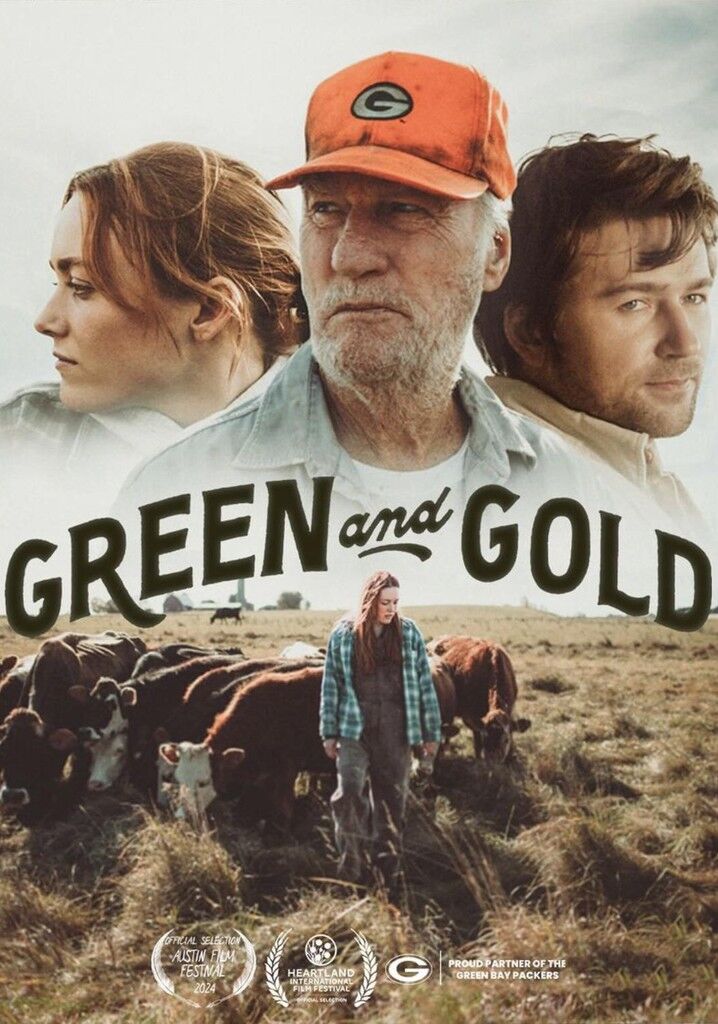
For example, Deming says, Anders Lindwall’s successful 2025 film “Green and Gold” about a Door County farmer who bets the farm on the Green Bay Packers was almost filmed in Illinois.
“The film is like a commercial for Door County. Imagine a press tour where they would have had to say they filmed outside of Chicago,” Deming says, adding that “Green and Gold” and the comedy “Hundreds of Beavers” were among the Wisconsin films that succeeded last year against the odds.
Yes, Deming says, those films were successful and shot in Wisconsin — but “I have an even longer list of films that weren’t shot here because of the lack of incentives,” he says. The film “Bridesmaids” and the TV series “That 70s Show,” both of which are blockbuster hits set in Wisconsin, were filmed in L.A. Tiny Dyersville, Iowa has continued to be a tourism destination for more than 35 years after “Field of Dreams” was released in 1989. Even years after production wraps, communities can see all manner of benefits from being filming locations.
Deming says there has been bipartisan support for the new film office and credit program; the tax incentives aren’t government handouts. Money has to be spent in the state in order for credits to be given — and between hospitality, transportation, day labor and contracted services, those dollars add up quickly. For example, three weeks of lodging in Milwaukee during the filming of the TV series “Top Chef: Wisconsin” last year brought the city $4 million in hotel revenue. The Hallmark movie “A Cherry Pie Christmas,” which was shot this past winter in Door County, stimulated the local economy to the tune of $600,000 during the off-peak tourism season.
A 2023 study in Georgia, which has long been a poster child for film incentives, found that every dollar invested in film and television production generates $6.30 in economic benefit.
And not only did the recent filming of “A Cherry Pie Christmas” stimulate the Door County economy, says Julie Gilbert, president and CEO of Destination Door County, the community welcomed the production with open arms.
“The people that live throughout Door County had so much fun when our team sent out the call for extras,” Gilbert says. “How cool is that, you know, in little Door County, to be able to be on an extra [in] this movie?”
Wisconsinites are ready to roll out the red carpet for film productions, Deming says, whereas Angelinos may find it more inconvenience than excitement.
The 2009 film “Public Enemies” starring Johnny Depp was the only major film that received tax incentives during Wisconsin’s prior program. It was filmed throughout central and eastern Wisconsin, including Oshkosh, Columbus and Beaver Dam. Deming relates the story of a Northeast Wisconsin arborist who was inspired to adopt his profession as a result of working on the film and seizing an opportunity to help in his own unique way.
“Everybody loves movies,” Deming says. “Young people love movies, and a lot of them want to work on movies. And it is a skill set that can be trained. Lifelong friendships are made [during production], and people’s lives change.”
Paige Grube, a Green Bay-based documentary filmmaker who recently released “GOLD” about the woman-owned exotic dance club The Gold Nugget in Spread Eagle, says documentary filmmaking requires less investment than other types of films, but she will still reap the benefits of the new statewide film office — primarily having access to more industry players, collaborators and resources.
“It’s a bit of a lonely industry here,” Grube says. “People don’t really understand what we do. I think it would be cool to have a community of people here and create more awareness about the industry in the Midwest.”
Grube also says, with all the pieces in place, it can be much less expensive to make a film in Wisconsin than in Hollywood. If she had made “GOLD” about a club in California, she says, “I think I would still be working on it.”
There are plenty more great Wisconsin stories to be told, Grube and Deming say — and they are hopeful for the opportunity to tell them, and to nurture the spirit of filmmaking in the Dairy State, where a city scene and a country scene are often only 15 minutes apart and natural beauty abounds.
“I love Wisconsin. I think it would be great on film,” Deming says. “I have films I want to make in Wisconsin, films I have made in Wisconsin. But on top of that, I’m so excited about other filmmakers in Wisconsin.”